SiLOSSiLOS

Your first year with a beehive, honestly told

About this photo
1

1The year actually starts the autumn before

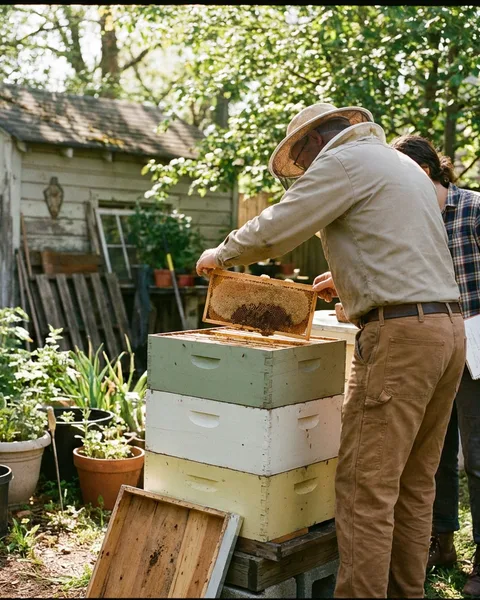
Serious preparation begins the previous November through February: taking a beginner class, choosing a site, deciding on two to five hives (the recommended range for a first-year beekeeper), ordering bees by the end of January for a mid-to-late April delivery, and painting and assembling the hive boxes before the bees ever arrive. Each hive typically means two brood boxes and two supers.

2What you actually wear and carry

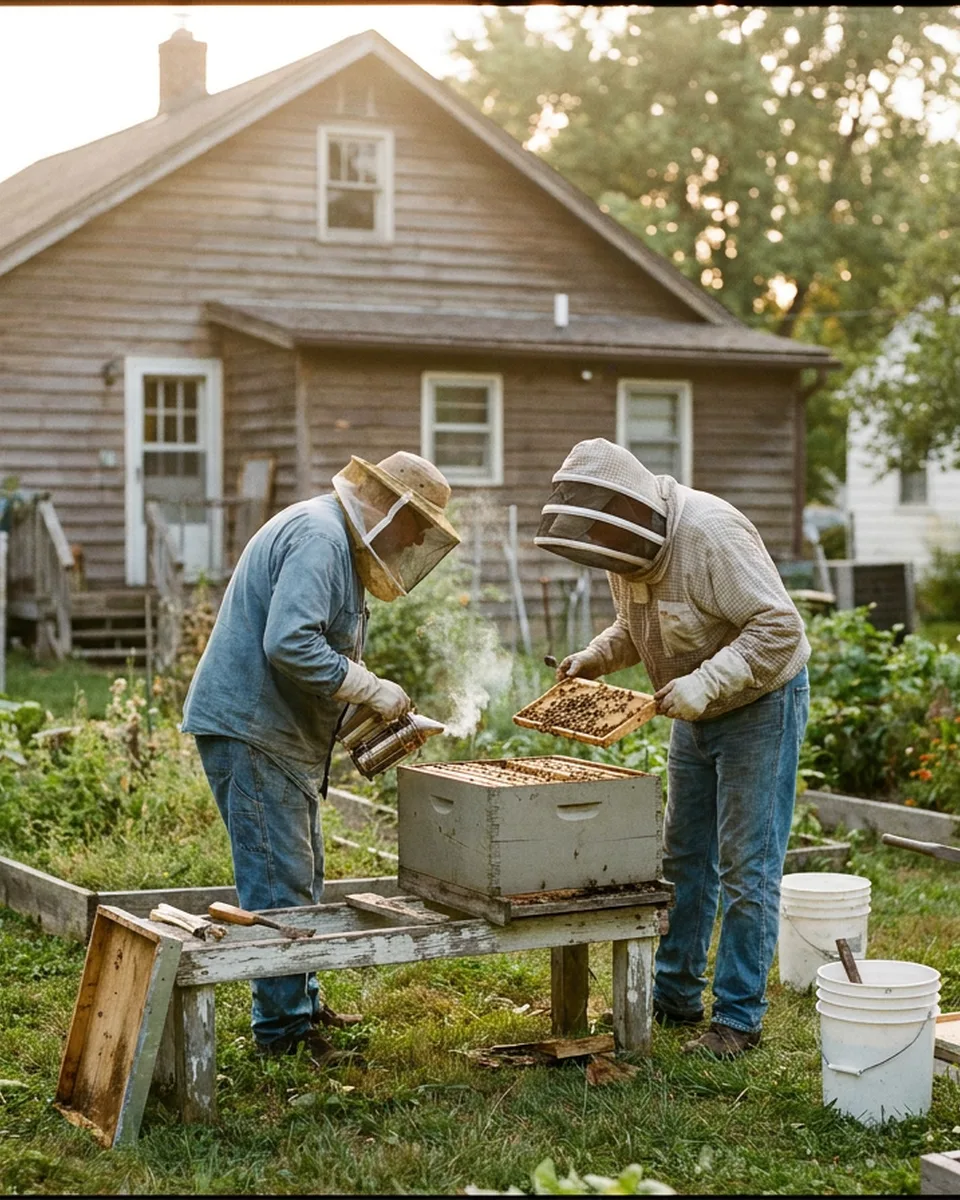
A veil, gloves, a hive tool and a smoker are the standard beginner kit; a full zippered suit is the most sting-proof option and worth it while you're still learning to read the bees' mood. Experienced keepers eventually skip the veil sometimes — that's a second-year confidence, not a first-year one.

3The sting, honestly

Stings happen even to careful beekeepers; the face is the one everyone wants to avoid, which is exactly what a veil is for. Minimizing stings is a skill built over a season, not a guarantee anyone can promise a beginner.

4

4Why you leave the honey the first year

A brand-new colony is spending its first season building comb and its own population, not banking a surplus — pulling honey too early can leave the colony without enough stores to survive winter. Budgeting 50 pounds of sugar per hive for emergency feeding is standard first-year planning, a hedge in case natural stores run short.

Explore this area
HomeHouseGardenFarm