


1
1The honest headline
Every extension list of 'deer-resistant' plants opens with the same disclaimer: resistance depends on local deer density, the season and how hungry they are, and even the plants rated 'rarely damaged' get nibbled sometimes.

 Keep your compost pile from smelling bad
 Sprinkler watering young plants at a nursery
 A pile of ripe red tomatoes
 Backyard pond garden with water lilies and flower beds
 Nursery yard with trays of seedlings on gravel
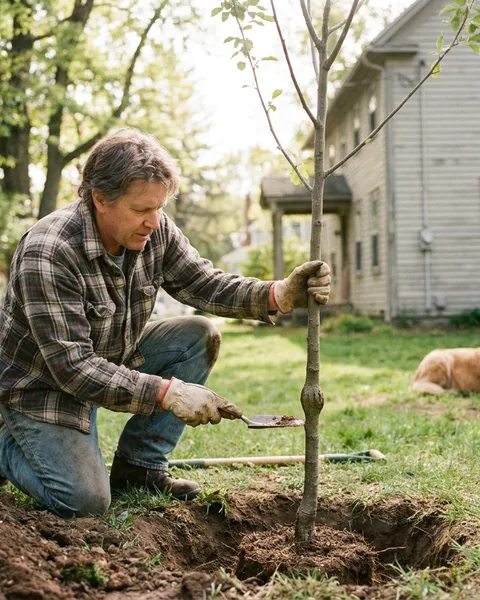 Plant it right, or plant it twice
 Vertical garden tower planted with colorful foliage
 Checking a level while laying pavers in the yard
 Home
Home House
House Garden
 Farm
Farm