SiLOSSiLOS

The lawn that mows itself (clover, mostly)

About this photo
1

1Nitrogen

It is a legume. Bacteria on its roots pull nitrogen out of the air, and a good stand fixes 100 to 150 pounds an acre a year. Almost none of it goes straight to the grass. The root nodules have to rot first, so it feeds the lawn slowly, like a time-release bag you did not buy. In a yard that works out to one fewer feed a season.

2

2Green

One Michigan extension answer calls it drought resistant, deep roots and all. Another, same desk, says without a hose it dies in a hot dry summer while the grass only naps. Both are true. It holds its colour longer than the grass, and then it does not go dormant the way grass does. In a bad August it goes, and you reseed.

3

3Bees

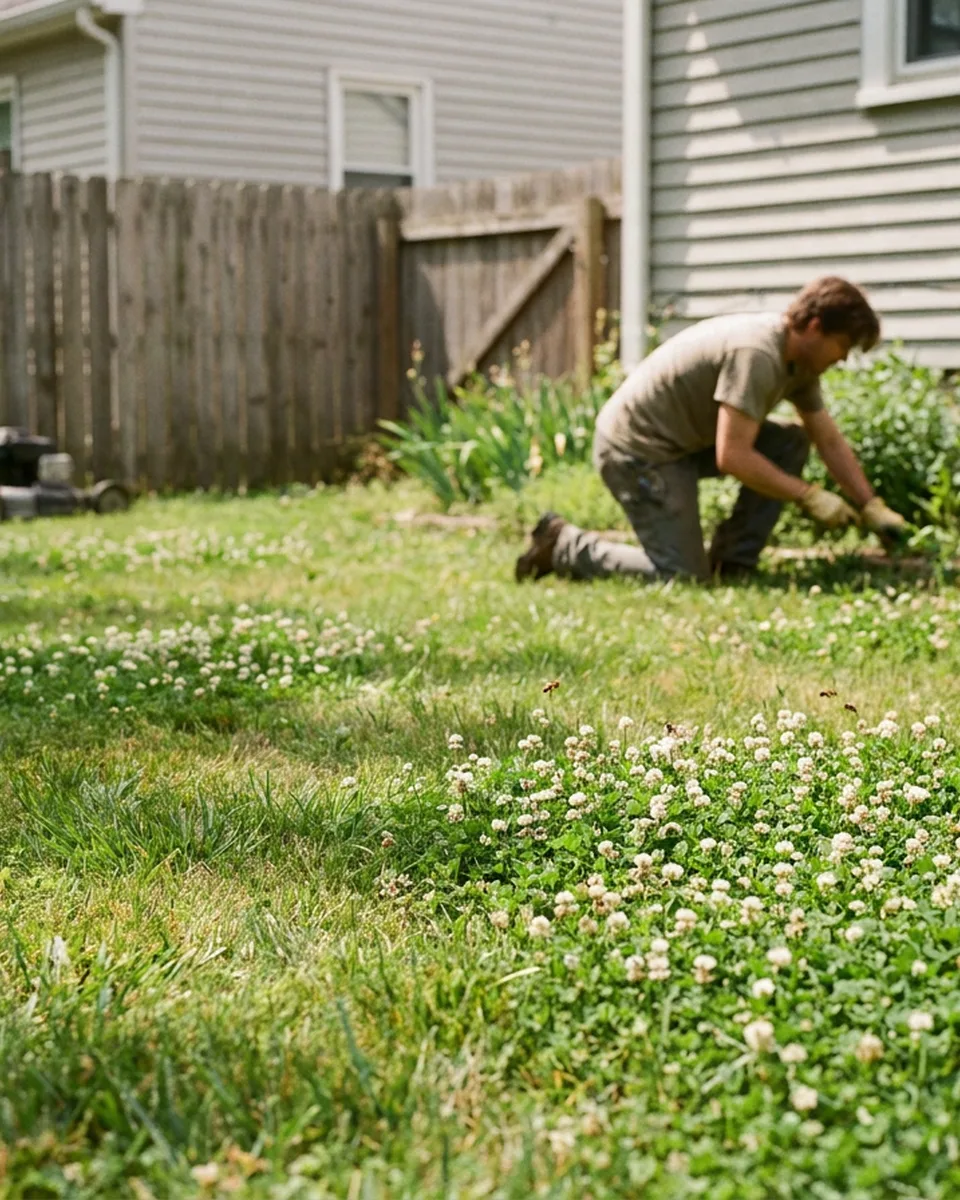
The flowers feed bees; Minnesota counted 56 species on white clover alone. On a plain clover-and-grass lawn, over half the bees are honey bees and bumblebees, the social kind. Most of the small ones cannot sting you and the big ones would rather not.

4

4Weeds

It runs along the ground and roots as it goes, so it fills the thin spots the weeds had their eye on. Less to pull.

5

5The dog

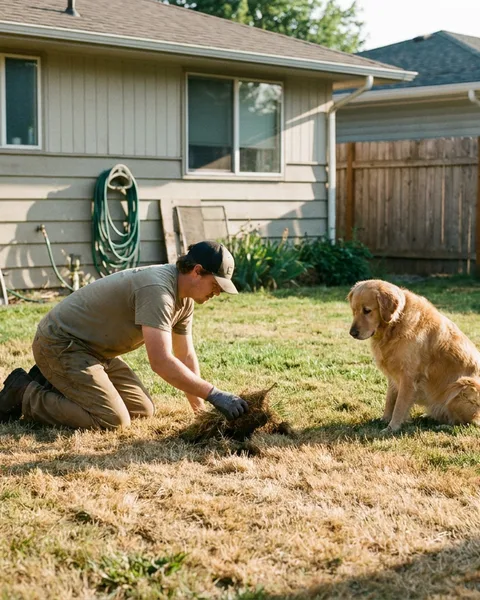
Dog spots are a nitrogen-and-salt burn, and the only thing that neutralises them is water. Nothing on file says clover takes it any better than grass does, so we will not say it either.

Explore this area
HomeHouseGardenFarm