
SiLOSSiLOS

Three plants, repeated, on purpose

About this photo
1

1Plant it in threes, not onesies

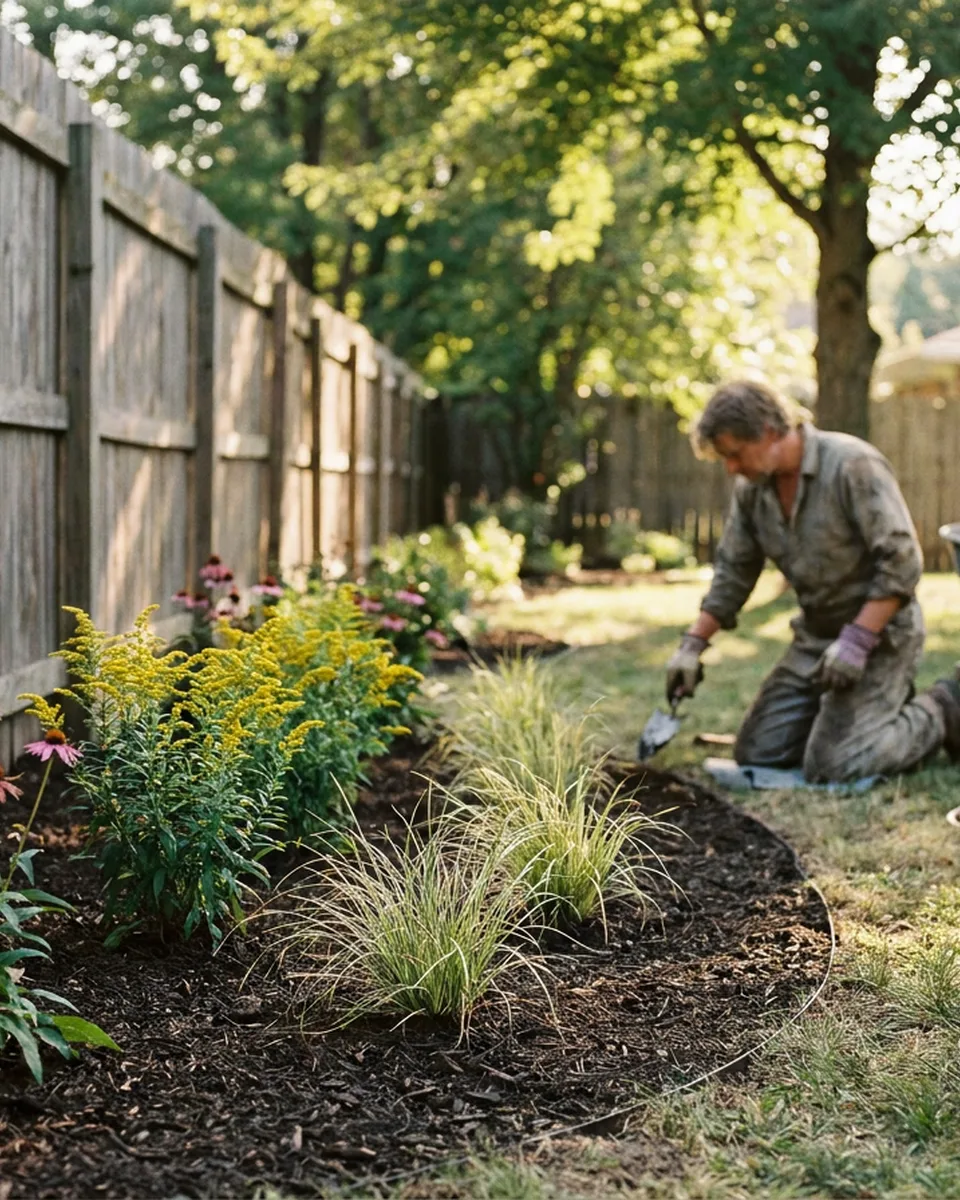
Mass a single kind together in a drift instead of dotting one of each plant around the bed. It reads as a decision instead of a collection, it's easier to keep alive because you can water and weed the whole patch the same way, and it cuts the maintenance load because you're not chasing nine different bloom times and nine different needs.

2

2The area does the math for you

Measure the bed (length times width, or radius squared times 3.14 for a circle), then use a spacing chart for the plant: a rule of thumb is plants spaced 12 inches apart need about one plant per square foot, 18 inches apart need one per 2.25 square feet, and 24 inches apart need one per 4 square feet. A 50-square-foot bed at 18-inch spacing is about 22 plants, not a guess.

3

3Year one is the ugly duckling year

New perennials spend their first season building roots, not putting on a show. Give the bed a full growing season before you decide anything failed; most drifts need a full year, and some woody or slow perennials take two, before they fill in and touch each other the way the plan intended.

4

4Prep the soil once, properly

Loosen the bed and work in two to four inches of compost before anything goes in the ground. It's the one step people skip to save a weekend and then redo, badly, three years later with live roots in the way.

5

5The renovation, when it's time

A tired bed gets dug up, divided, weeded of anything perennial you didn't plant, and reset — best done in spring before hot weather arrives, or from late August into September when the heat has broken. Doing it mid-summer just adds transplant stress to a plant that's already stressed.

Explore this area
HomeHouseGardenFarm