





1
1How it climbs decides what it needs
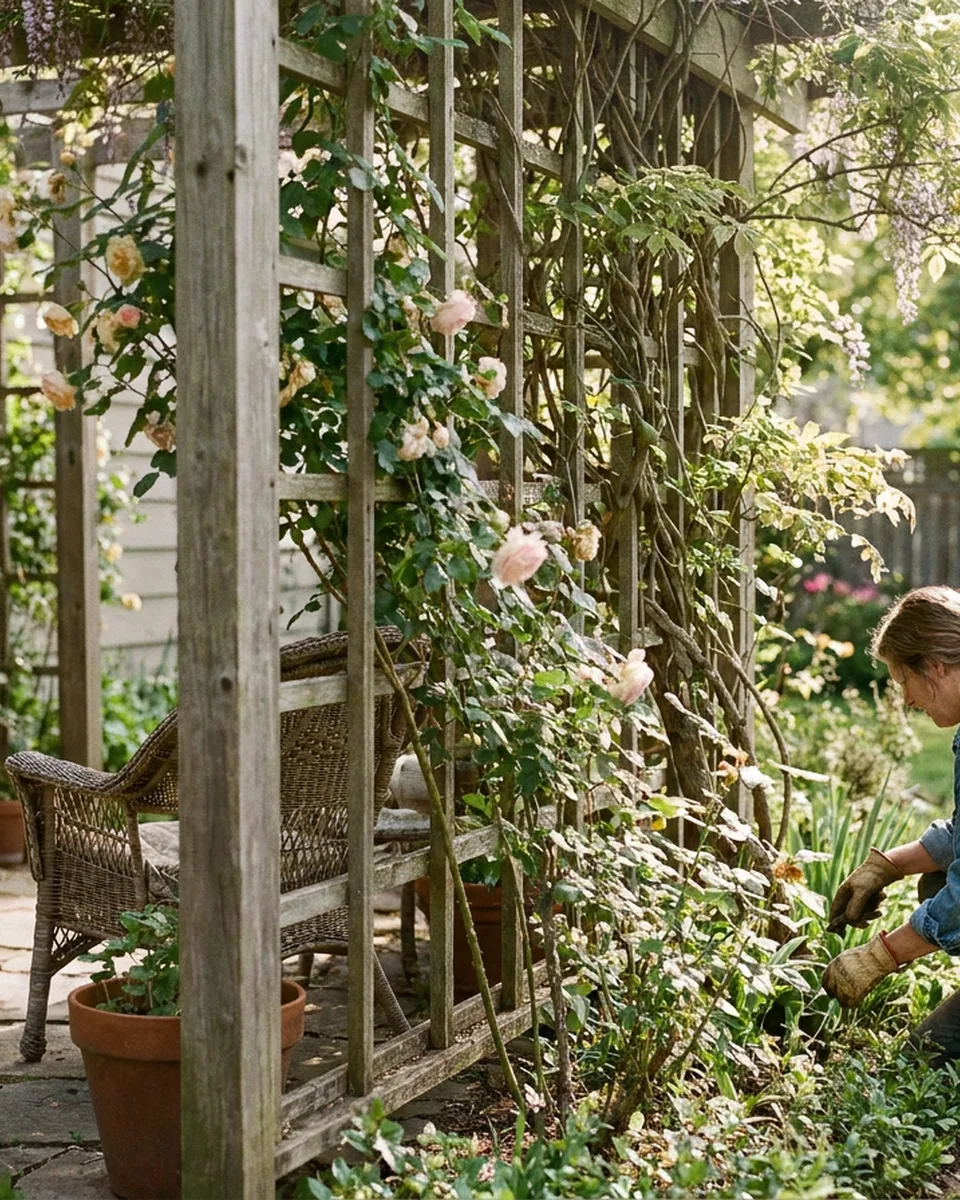
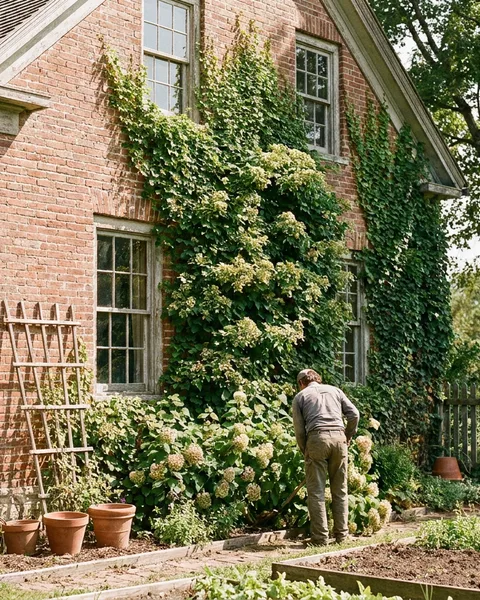
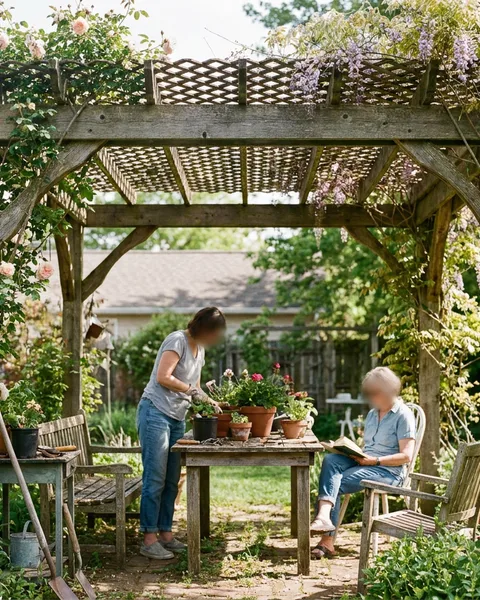
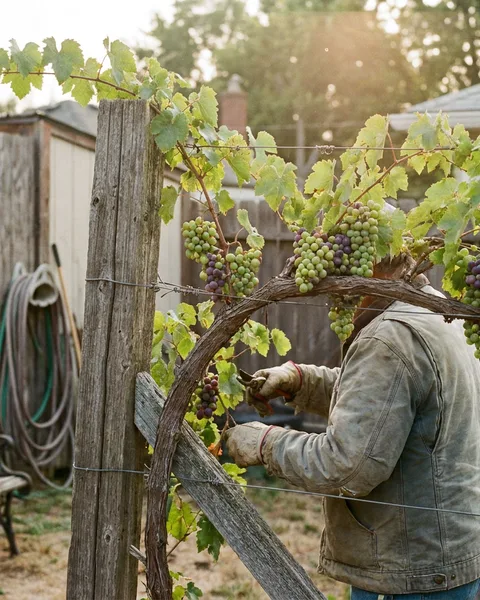
Clinging vines (Virginia creeper, Boston ivy, climbing hydrangea) attach directly to a flat surface with tiny root-like holdfasts — they don't need a trellis, and they'll happily grip masonry. Grabbing vines (clematis, grapes) need wire or twine to wind their tendrils around. Twining vines (wisteria, honeysuckle) wrap their whole stem around a post or wire, and each species always twines the same direction, so a stake pointed the wrong way just fights the plant. Sprawling vines (climbing roses) don't climb at all on their own — they lean, and need to be tied up by hand.
 Home
Home House
House Garden
 Farm
Farm