


SiLOSSiLOS

Vines that climb without wrecking your walls

About this photo
1

1The short version

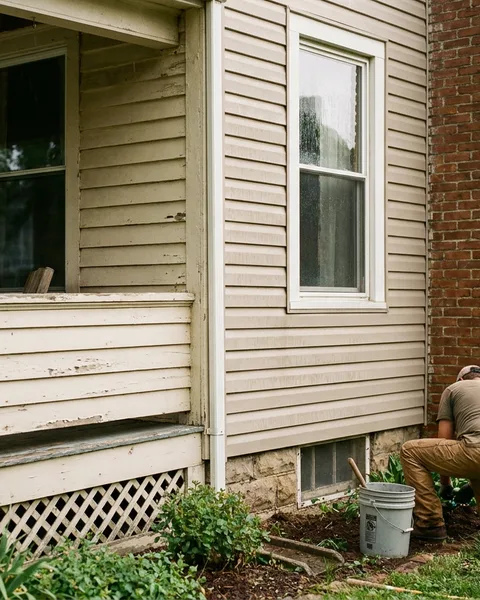
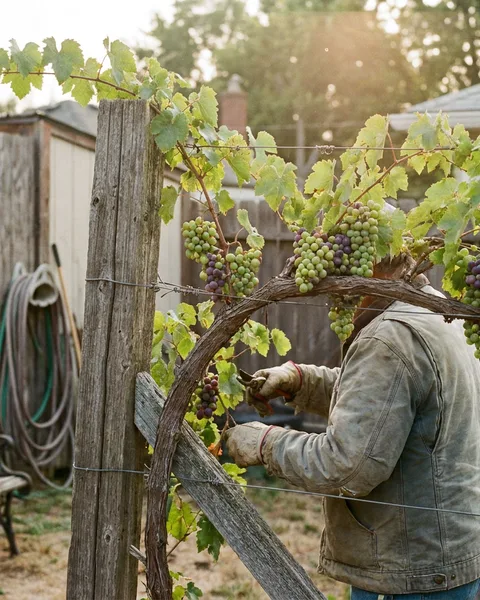
A vine doesn't care what it's climbing, which is exactly the problem. It only has three ways of doing it: tendrils that wrap around anything nearby, twining stems that wind around a support, and clinging vines that use adhesive-tipped tendrils or aerial rootlets to stick straight to a surface. Only clinging vines are the wall-damage risk, and university guidance is direct about where they belong: they can go on brick or masonry, and they should never go on wood siding, because they trap moisture against the wood and cause it to rot.

2

2The two or three ways people actually do it

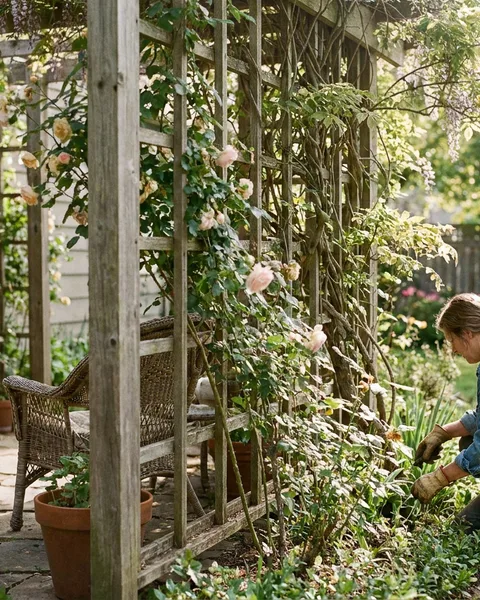
On a brick wall, people plant a true clinger like Boston ivy or climbing hydrangea and let it hold on by itself. On wood siding, the safe move is a trellis set out far enough from the wall for air to move behind it, with the trellis itself removable so the siding can still be painted. Anyone wanting fast, evergreen coverage without a support structure asks about vines like Carolina jessamine or crossvine, which still need wires or a trellis but fill in quickly.

3

3What goes wrong

A vigorous clinger allowed to run unpruned will cover windows, doors, gutters and vents along with the wall, and pulling an established clinging vine off a wall usually takes the paint and sometimes the mortar joints with it. Twining and tendril vines left on a flat wall with no support simply flop, since they need a trellis, wire or arbor to actually climb.

4

4The first hour

Plant bare-rooted vines in spring before new growth starts, or a container-grown vine any time of year. Set the support in place before the vine needs it, not after; a soft cloth tie trains the first new growth in the direction you want it to go, and it takes only that first hour to decide which way the whole thing will eventually lean.

Explore this area
HomeHouseGardenFarm