SiLOSSiLOS

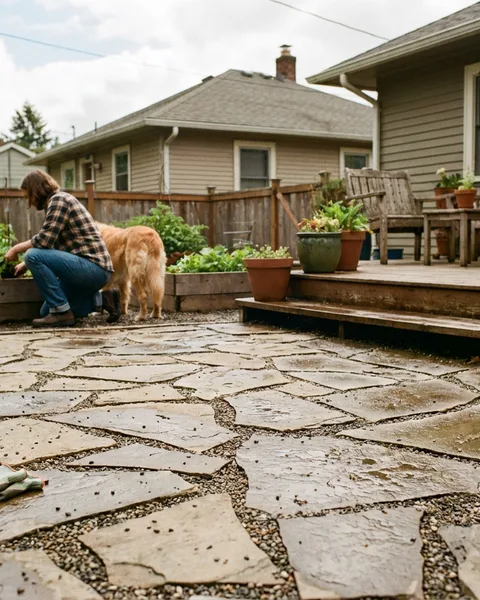
A gravel path that stays put

About this photo
1

1Width is about who's walking it

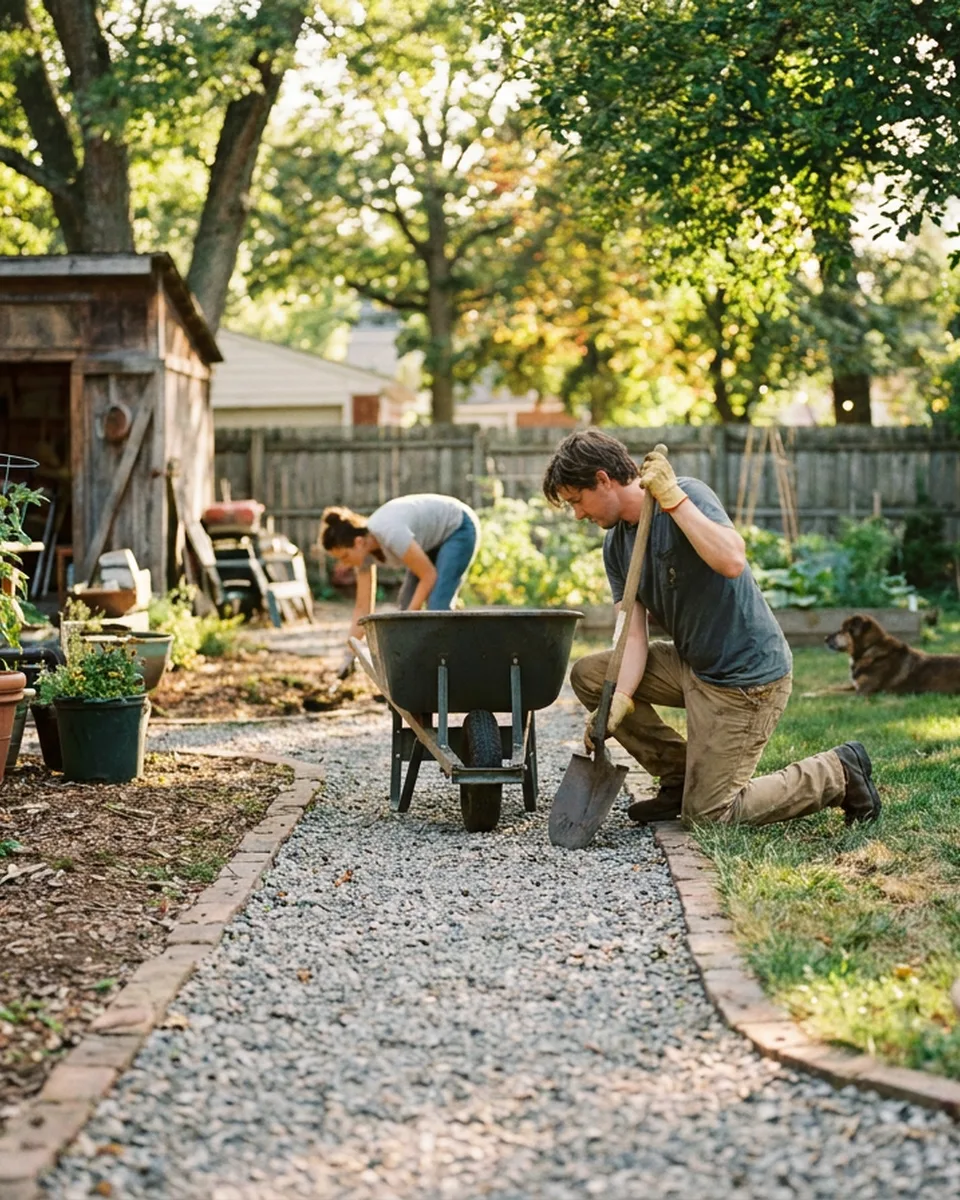
A walkway meant for one person can be narrow, but anything intended for two people side by side, or for wheeling a barrow through, should be 3 feet or wider — decide the width by the actual traffic, not by how the path looks on paper.

2

2The depth is base, bedding, then gravel

Total excavation depth is the sum of three layers: a compacted base (4 to 6 inches), a sand or fines bedding layer (about 1 inch), and the depth of the gravel or paver itself — skipping the base layer is the single most common reason a path sinks and ruts.

3

3Gravel is a size category, not one material

Gravel is classified by particle size, from small granular gravel (about 2 to 4 millimeters) up through pebble gravel (4 to 64 millimeters) — 'gravel' on a landscaping quote can mean pea-sized fines or fist-sized rock, so the size matters as much as the word.

4

4It's the same idea that built rural roads for centuries

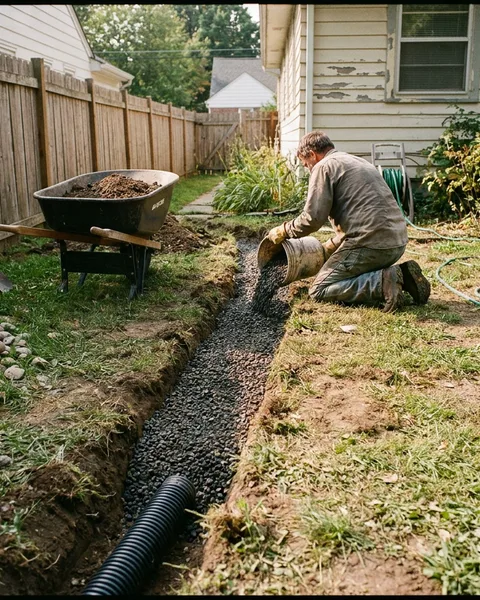
Well-built gravel roads, with the right base and drainage, are considered all-weather roads even without pavement — the same base-and-drainage logic that keeps a gravel road usable through a wet season is what keeps a garden path from turning into a creek bed.

Explore this area
HomeHouseGardenFarm