SiLOSSiLOS

A cheap radon test for your house

About this photo
1

1The short version

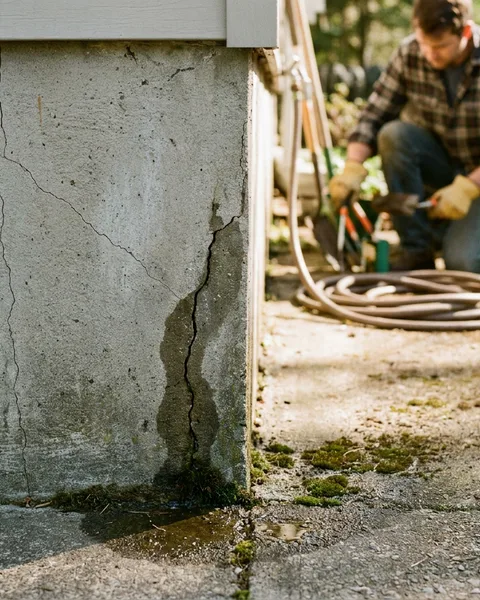
You cannot see it, smell it, or negotiate with it, and it's seeping up through your foundation right now regardless. Radon forms naturally when uranium, thorium or radium break down in rocks, soil and groundwater; because it comes from the earth itself, everyone is exposed to some amount, and it becomes a health concern specifically when it seeps into a building through cracks and gaps and concentrates indoors. Nevada's state extension program is blunt about the stakes: radon is the leading cause of lung cancer among nonsmokers.

2

2How the test actually works

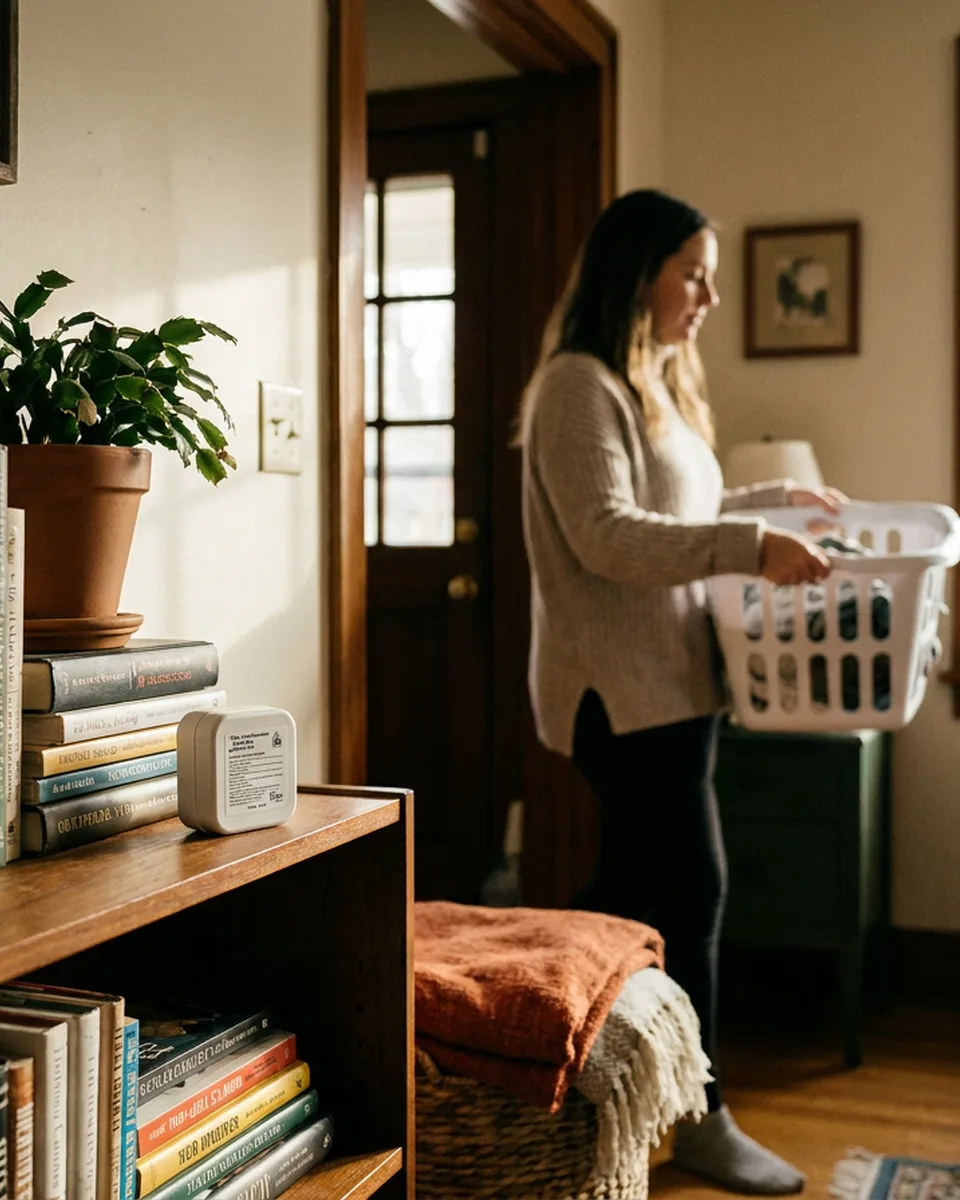
A short-term test kit sits on the bottom floor people actually spend time on, undisturbed, for the manufacturer's specified period, then gets sealed and mailed to a lab. Free test kits are sometimes available from local or county health departments or state radon programs; when they aren't free, university-run programs like the National Radon Program Services at Kansas State University sell them directly, and some home improvement stores and local American Lung Association chapters carry them too.

3

3Reading the result

The EPA recommends taking action to lower radon levels as much as reasonably possible, and extension guidance notes that most homes can be brought down below 2.0 picocuries per liter with a proper mitigation system. If a result comes back elevated and mitigation has to wait, the interim advice is straightforward: stop smoking and discourage smoking in the home, since radon and smoking together multiply the lung cancer risk rather than simply adding to it.

4

4What goes wrong

The most common mistake is testing once, years ago, and treating that number as permanent; radon levels shift with the season, the house's ventilation habits, and even barometric pressure, so a single old test is a starting point, not a verdict. The second most common mistake is doing nothing with a bad result simply because fixing it feels bigger than it is: a certified mitigation contractor, not a DIY project, is the standard recommended route.

Explore this area
HomeHouseGardenFarm