
SiLOSSiLOS

The gentle slope that keeps basements dry

About this photo
1

1The short version

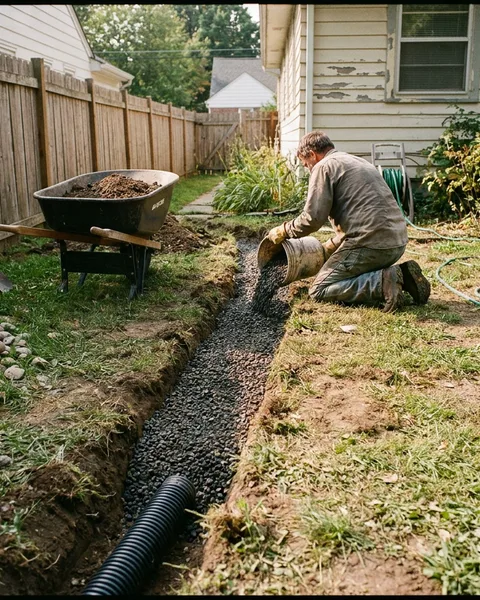
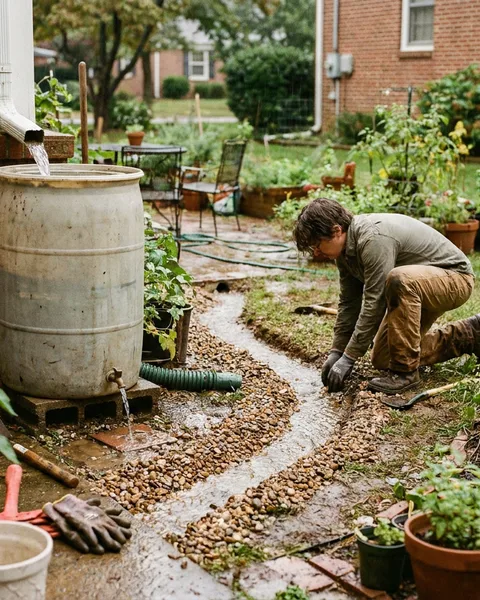
The slope that saves a basement is so gentle you'd never notice it mowing over it, which is exactly why so many yards lose it a wheelbarrow of topsoil at a time. A standard home-repair specification calls for a minimum of 6 inches of fall in the first 10 feet away from the dwelling, with at least 6 inches of foundation left exposed above the soil line, no soil piled against the siding. Where the lot doesn't allow that much natural fall, the fallback is a shallow, wide swale, at least 4 feet across, that carries water around the house instead of through it.

2

2Why this works

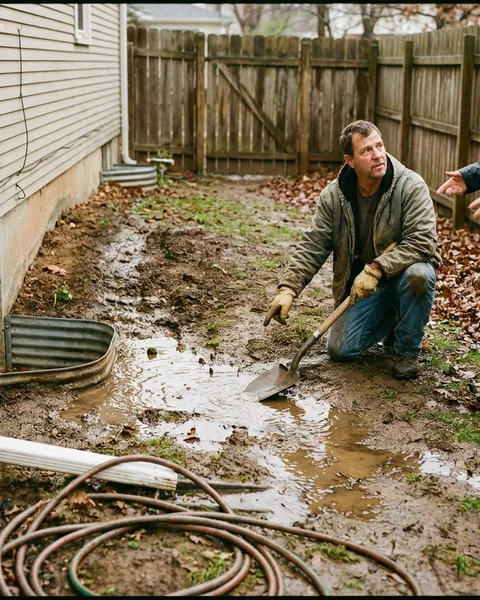
Water follows the path of least resistance, and a 6-inch drop over 10 feet is a gentle enough slope to walk and mow without noticing, while still being steep enough to move water away reliably before it can pool and soak straight down next to the foundation wall. Skip the slope, or reverse it toward the house, which happens easily after a few years of mulch and topsoil layered on without checking grade, and every gutter and downspout upgrade in the world is fighting the same water twice.

3

3What goes wrong

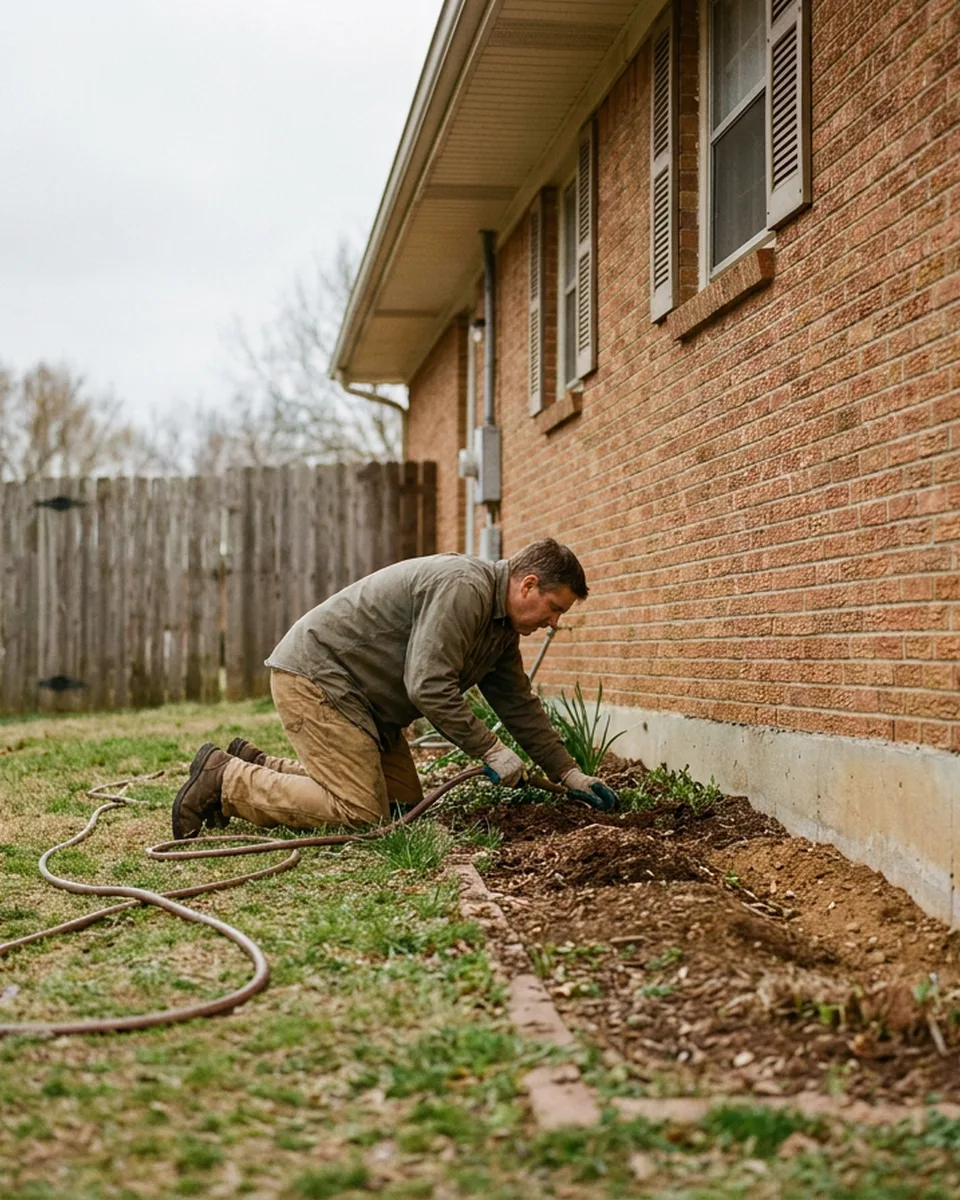
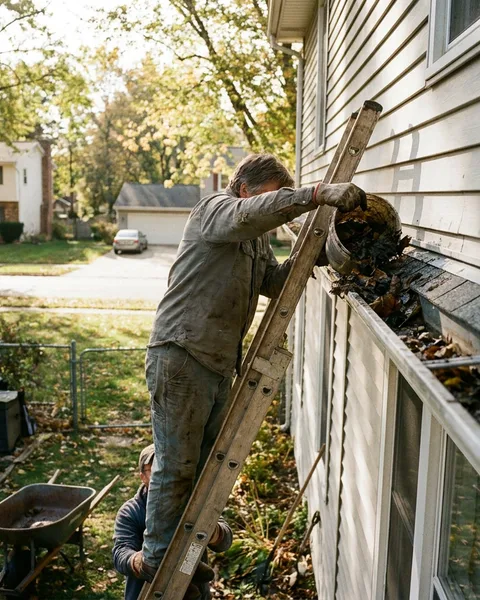
The most common failure isn't bad grading at construction, it's grading that degrades over years: mulch beds built up season after season, a new flower bed edged with soil piled against the foundation, a downspout extension that got knocked loose and never reattached. Moisture entering a basement is rarely one dramatic failure; it's usually several small ones like these adding up over a wet season.

4

4The first hour

Walk the whole foundation perimeter with a level or a simple line level and a tape measure, checking the actual fall over the first 10 feet at several points, not just the spots that look low. Photograph any spot where soil sits above the 6-inch foundation exposure line; that photo is the to-do list.

Explore this area
HomeHouseGardenFarm