
SiLOSSiLOS

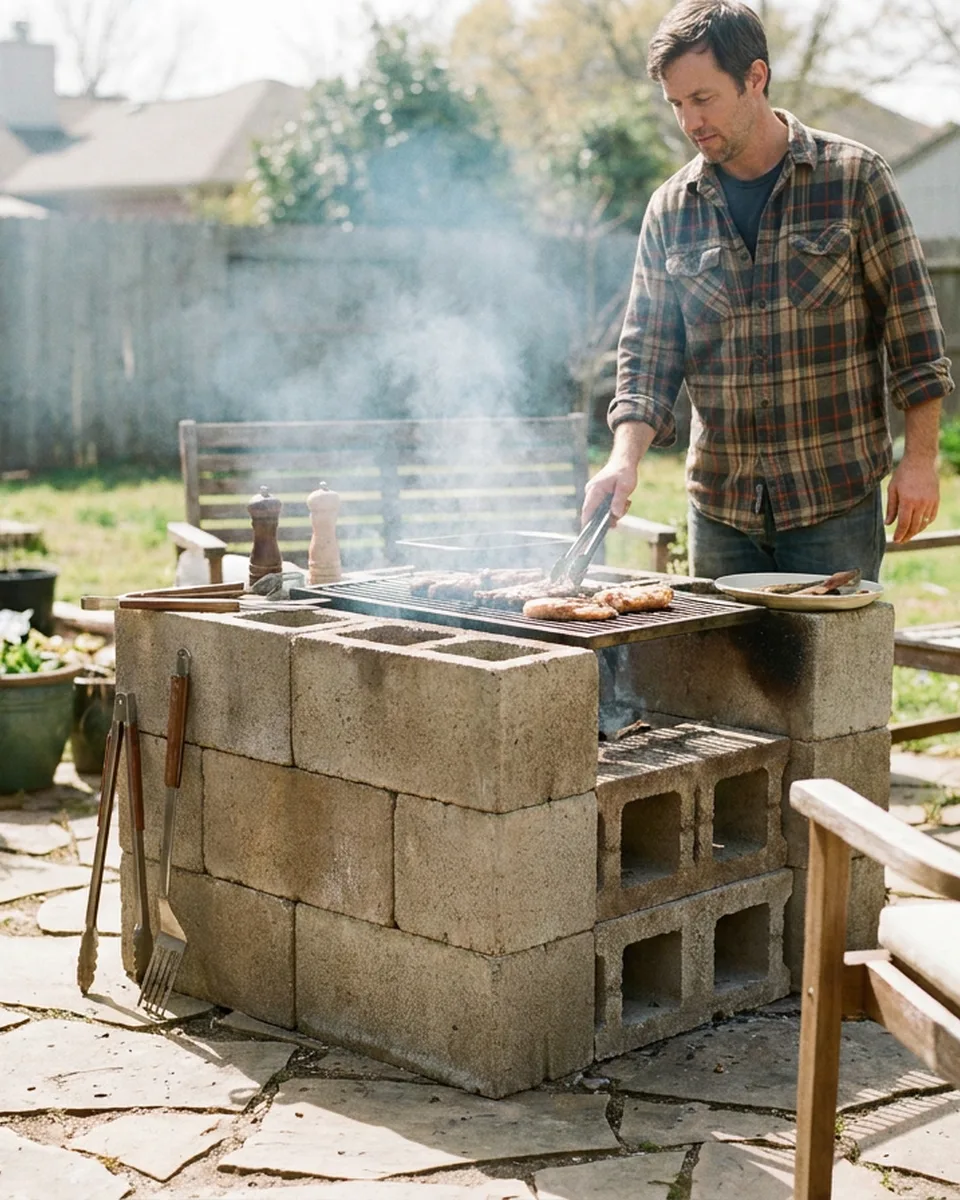
A concrete block grill station in your yard

About this photo
1

1The short version

People will argue about gas versus charcoal versus electric until the sun goes down, and none of them are wrong, they're just cooking with heat from below in three different accents. Grilling itself traces back to pre-colonial cooking in the Americas, each with committed defenders and no settled winner. Grilling itself traces back to pre-colonial cooking in the Americas, where the Arawak people roasted meat on a wooden structure called a barbacoa, the word that eventually became barbecue.

2

2What it takes, and what goes wrong

A concrete-block grill station is, structurally, just a fireproof box: stacked block for the base and sides, a metal grate or an inset kettle grill on top, no combustible material anywhere near the firebox. The common mistake is treating it like patio furniture instead of a fire-adjacent structure, skipping the clearance to the house, a fence, or overhanging branches that a factory-built grill island's instructions would spell out automatically.

3

3The two or three ways people actually build one

A dry-stacked block station, no mortar, is the weekend version: cheap, adjustable, and easy to take apart if the layout is wrong. A mortared block station is the permanent version, built once with a real footing if it's going to carry a heavy stone counter or a built-in smoker. Somewhere in between, a lot of people just build the block base and drop in a standalone charcoal or gas grill rather than building the cooking surface itself from scratch.

4

4The first hour

Lay the first course dry, no mortar, and walk around it before committing to anything permanent: check sightlines from the kitchen window, the direction smoke will actually blow on a normal evening, and how close the nearest door or window is. That hour of just standing there looking is cheaper than moving concrete block after the fact.

Explore this area
HomeHouseGardenFarm