SiLOSSiLOS

Checking your roof from the lawn

About this photo
1

1What a real inspection checks

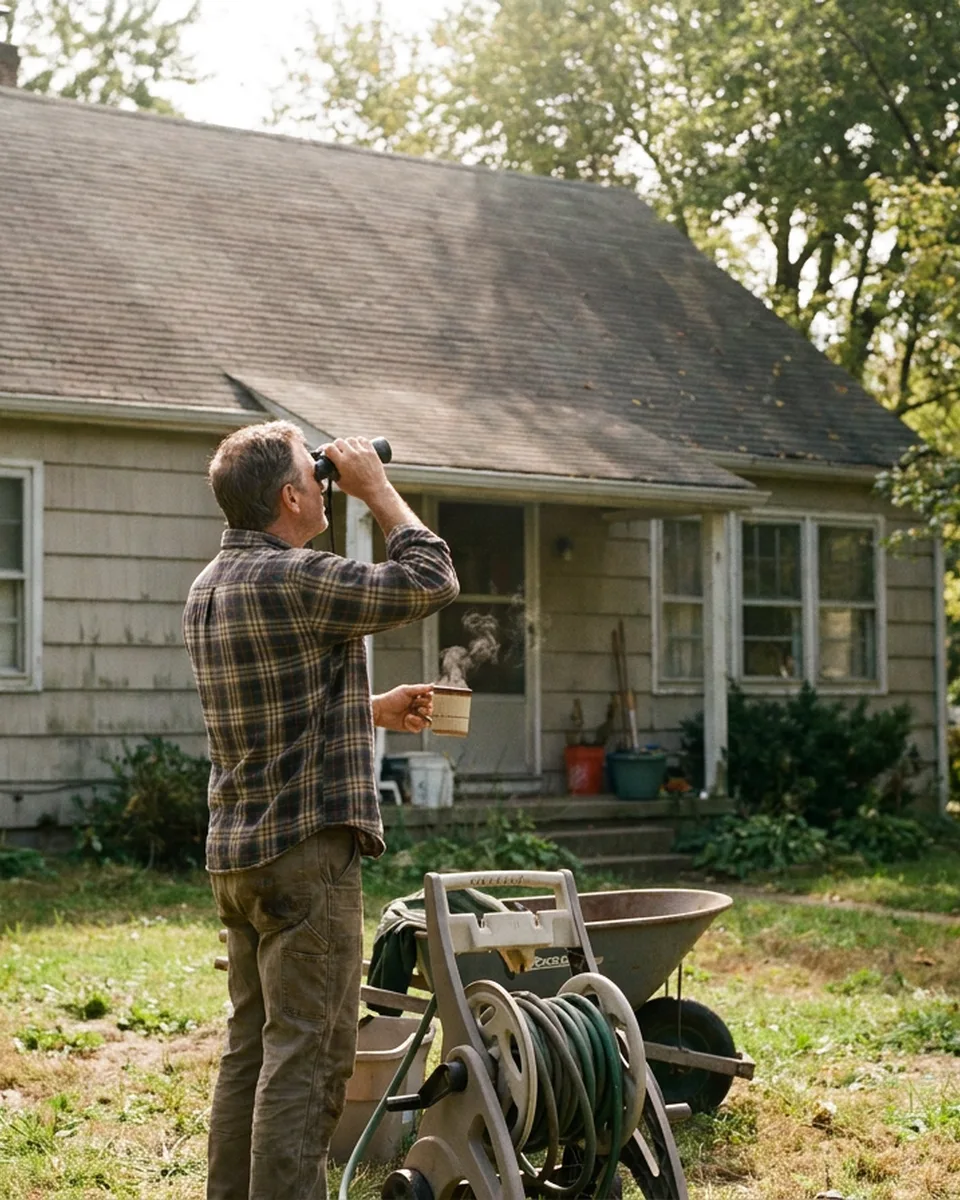
You're not up there, and you're not going up there, so the whole exam happens from the lawn with your neck craned back. A university storm checklist asks the same plain questions I do: any loose or missing shingles, is the flashing around the chimney and skylights still sealed, and are any tree limbs touching or overhanging the roof. That is the whole ground-level exam. You are not looking for perfection, you are looking for the one thing that changed since last time.

2

2Why the ceiling matters more than the roof

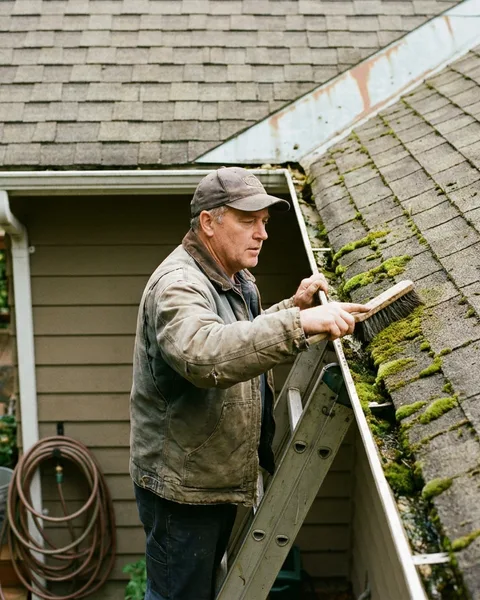
A stain on a top-floor ceiling is the most honest sign a house gives you, because water always takes the shortest route down. By the time it shows up inside, it has usually been getting in a while, which is why a stain is treated as a same-week problem and a missing shingle as a same-season one. A university home-inspection guide puts it plainly: look in the attic for wet spots that signal a roof leak, and check gutters and downspouts during rain for leaks or breaks.

3

3The first hour

Walk the whole perimeter once, slowly, binoculars up at the roofline, not down at your phone. Check the four corners where two roof planes meet, since that is where flashing lives and where leaks actually start. Then check the ceiling directly under anything that looked off. That is the entire inspection, and it takes about the length of a podcast segment.

4

4Where flashing actually lives

Skylights, chimneys and the corners where a wall meets a roof are where a house's drainage layers are supposed to overlap shingle-fashion, water directed down and out. That overlap is also the first thing storm wind and age pull apart, which is why the ground checklist singles out flashing by name instead of just saying "check the roof."

Explore this area
HomeHouseGardenFarm