
SiLOSSiLOS

Screen door, storm door, or neither

About this photo
1

1The short version

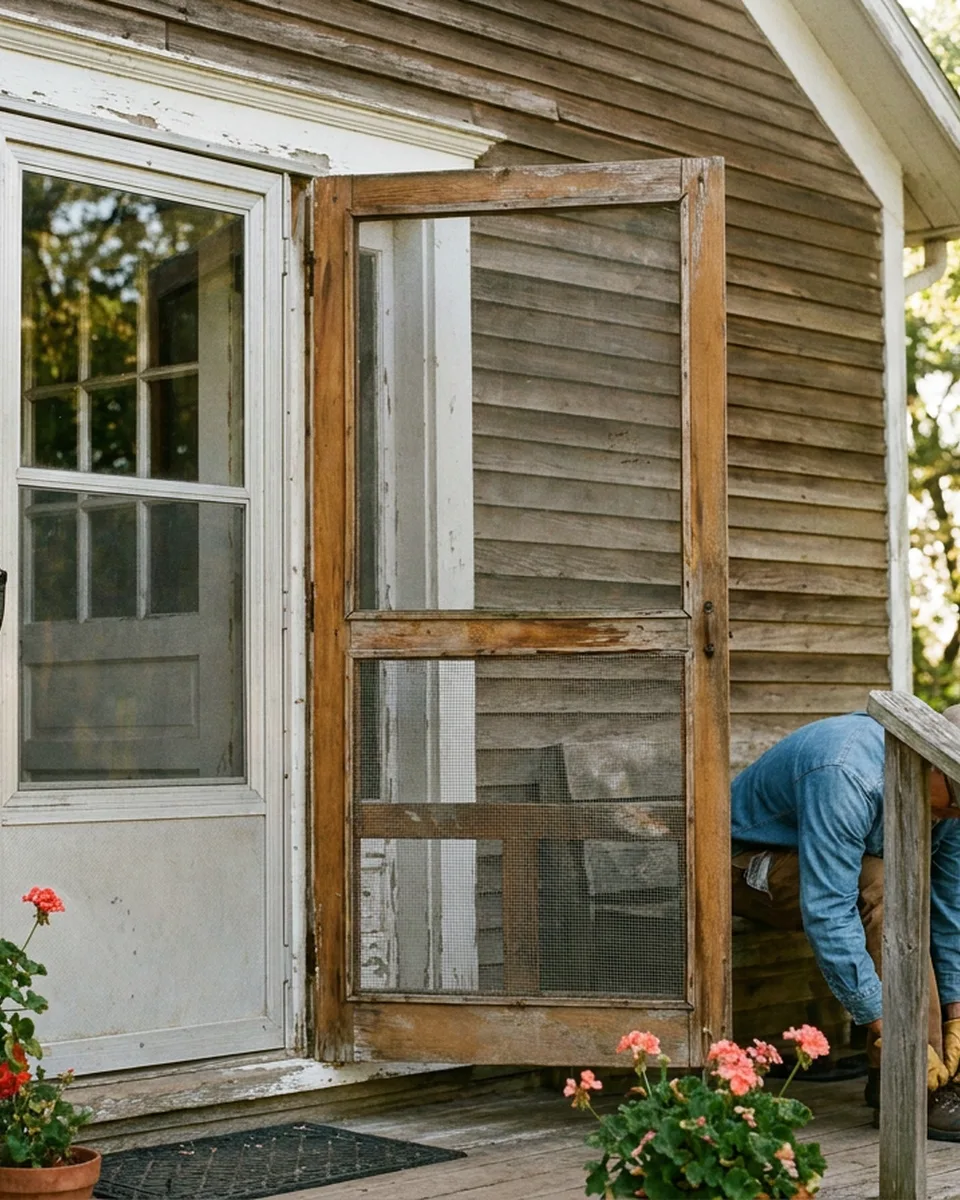
Two doors that look nearly identical hanging in the same frame do completely different jobs, and most people couldn't tell you which one is which. A screen door's mesh exists for one reason: keep the bugs out, let the air through. A storm door protects the main door from weather and still allows ventilation, generally with interchangeable glass and screen panels so it does both jobs depending on the season. A combination door with both panels built in replaced the old habit of physically swapping a screen for glass each spring and fall.

2

2The two or three ways people actually pick

A full-view storm door, mostly glass with a removable screen, suits a front entry that wants to look finished year-round and still allow summer air. A retractable-screen storm door, where the mesh rolls up into the frame when unused, suits anyone who wants the option without a visible screen most of the year. A plain screen door alone, no storm glass, suits a mild climate or a covered porch that never really needs weather protection at the door itself.

3

3What it's made of, and what goes wrong

Storm and screen doors are typically wood, aluminum, vinyl or fiberglass; wood looks the best but needs paint or another coating to survive the weather, which is why less than an inch of solid wood is usually left as screen-only rather than glazed. Rollformed aluminum sliding screens are the cheapest to produce but also the flimsiest; a screen door hung without checking it clears an uneven threshold is the most common install mistake, leaving a gap insects use anyway.

4

4The first hour

Hanging either type starts the same way: check the opening is square before assuming the door will be, since older frames rarely are. The closer spring gets adjusted last, after the door is hung, or it will slam before anyone has decided how hard it should close.

Explore this area
HomeHouseGardenFarm