SiLOSSiLOS

Porch light color temperature changes everything

About this photo
1

1The short version

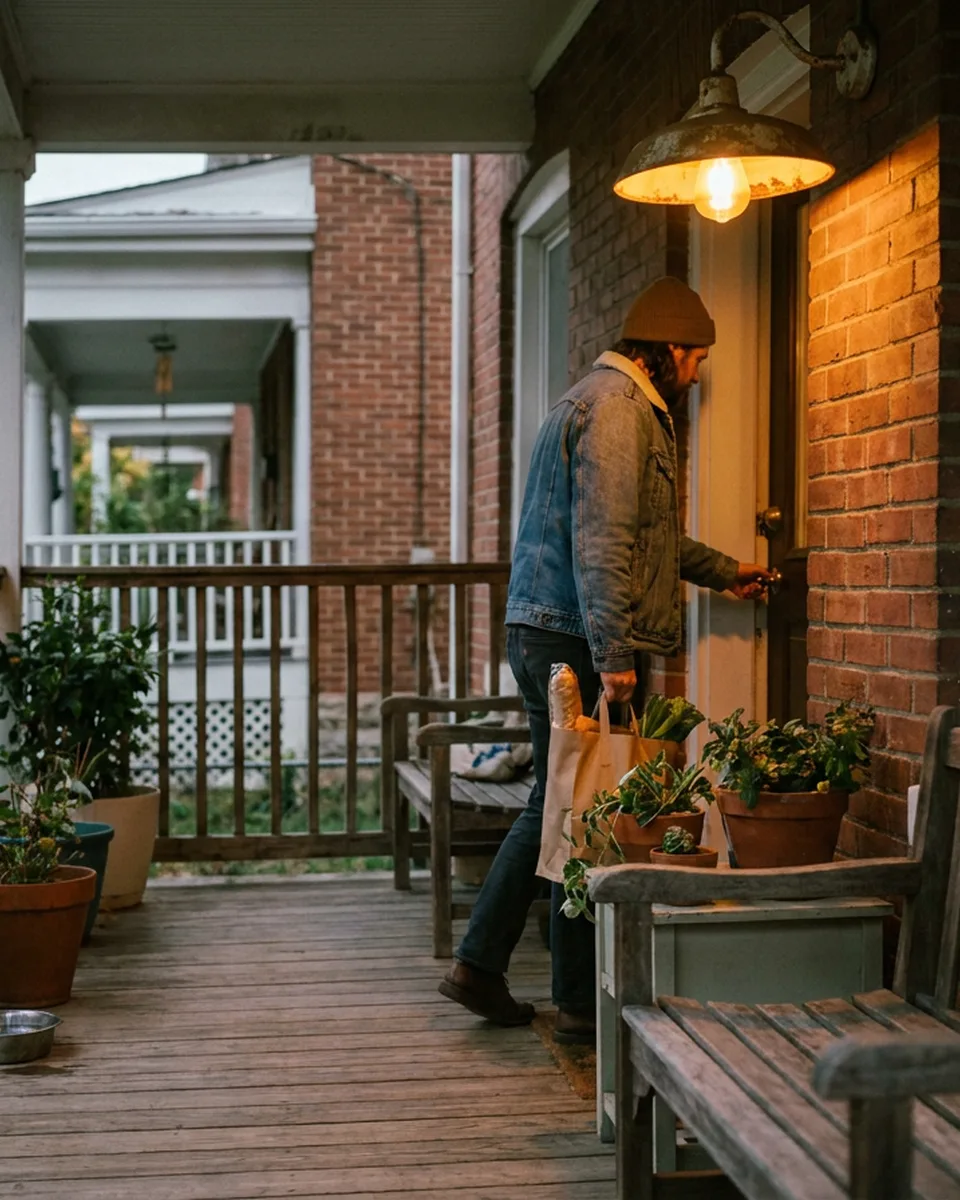
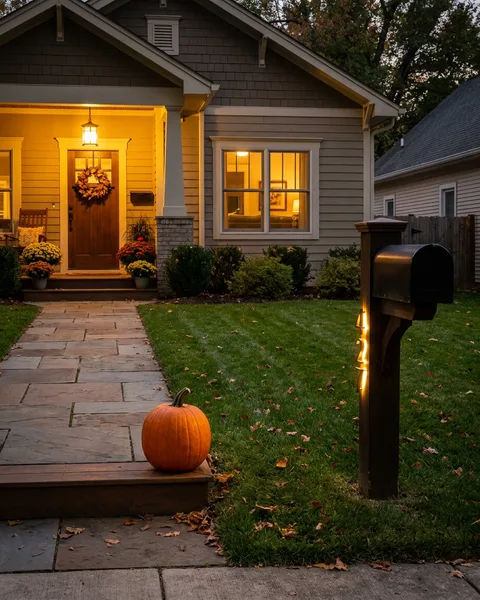
The exact same porch fixture can feel like a spa or an interrogation room, and the only difference is a number printed in tiny type on the bulb box that almost nobody reads. Color temperature moves from red to orange to yellow to white to bluish-white as that number rises. Lower numbers, in the 2700 to 3000 range, read as warm and yellowish; higher numbers push toward a cooler, bluer white, which is why the same fixture can feel completely different depending only on which bulb is screwed into it.

2

2Why this works

Security lighting exists specifically to deter or detect activity and increase a feeling of safety, and much of it historically used high-intensity discharge lamps for their efficiency, including sodium vapor lights that cast a distinctly yellow or golden-white glow rather than a true white. A porch or entry light doesn't need that industrial approach; a warm bulb at a normal household wattage does the welcoming job without borrowing the visual language of a security floodlight.

3

3What goes wrong

A bulb chosen for brightness alone, without checking its color temperature, is the most common way a porch light ends up harsher than intended; two fixtures with the same wattage can look completely different depending on that one spec. Low pressure sodium security lights, on the rare fixture that still uses them, are especially unflattering: the light is pure yellow, so nothing under it shows any real color at all.

4

4The first hour

Stand at the curb after dark with the current bulb on, then swap in a warmer one and look again from the same spot. That single side-by-side comparison, from the angle a visitor actually sees, tells you more than any spec sheet.

Explore this area
HomeHouseGardenFarm