SiLOSSiLOS

Ducks or chickens: which bird fits your yard

About this photo

1Housing: ducks ask for less

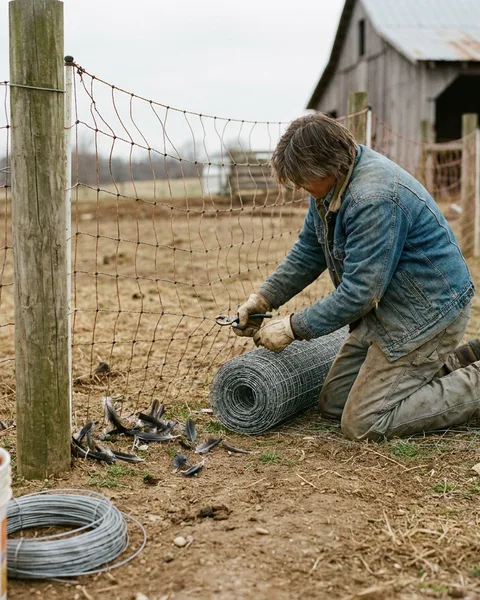
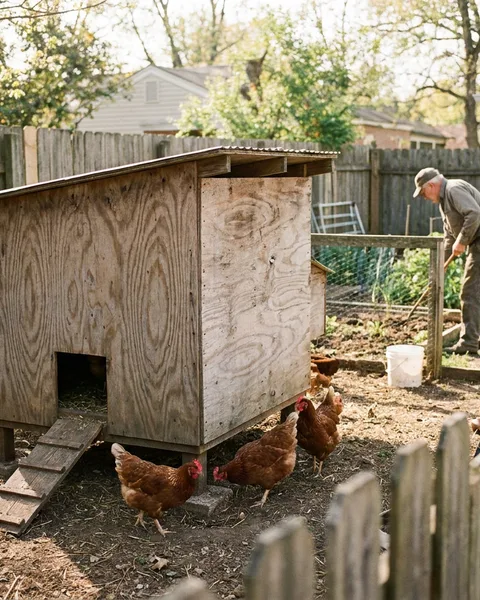
Ducks need less extensive housing than chickens and tolerate weather well as long as they're not exposed to prolonged harsh conditions — low fencing (about 2 feet) contains Pekins, since they don't fly, versus the taller, more predator-proofed runs chickens need. A simple partially-enclosed shed and inexpensive fencing on high, well-drained ground is genuinely enough. Chickens need a minimum of 3 to 5 square feet of coop floor per bird and a run fenced at least 4 feet high, since a coyote or bobcat clears anything shorter — ducks get by on roughly half that floor space and a 2-foot fence, since Pekins never leave the ground.

2The water trade-off

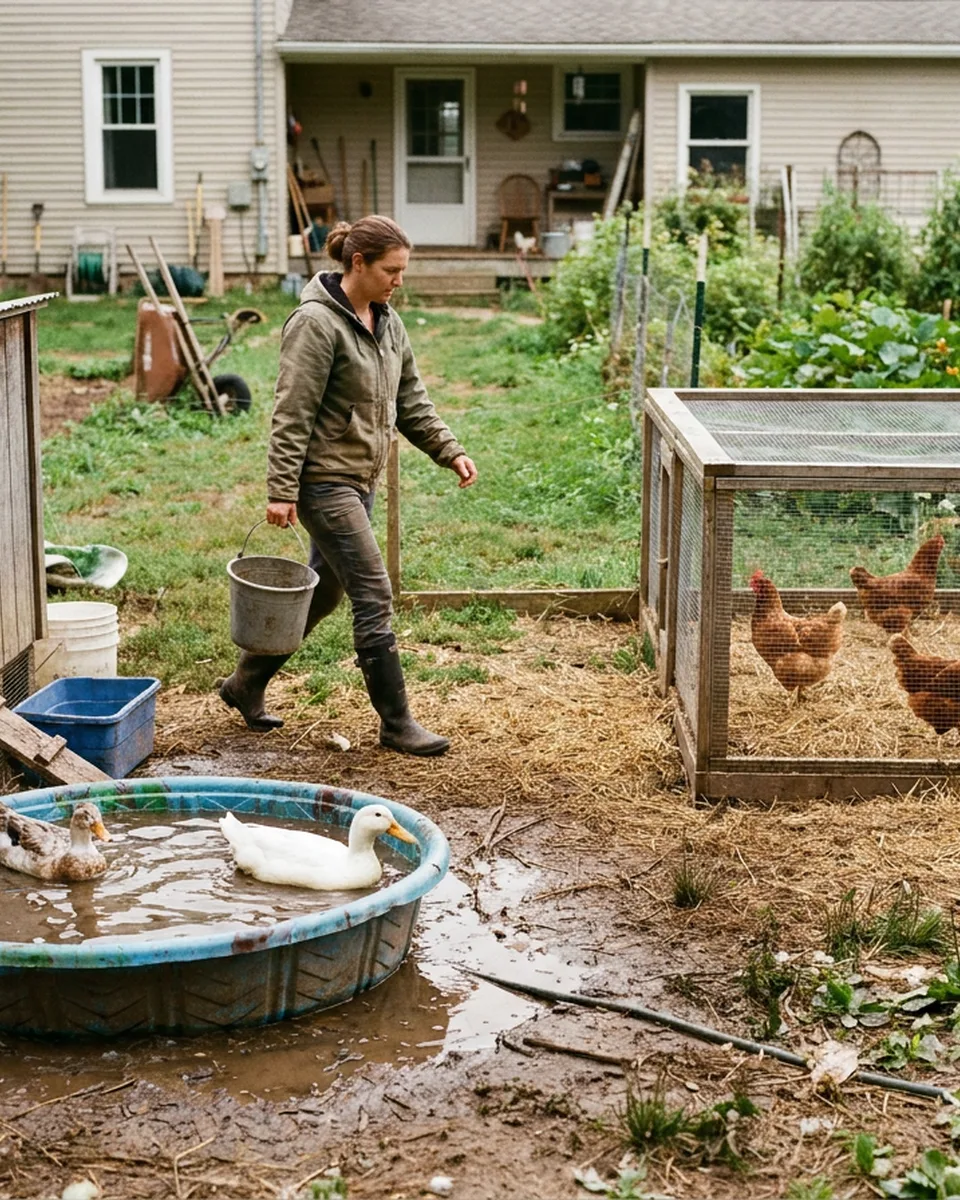
Ducks don't strictly need swimming water — a drip-type watering system keeps them clean and healthy — but any pool or pond they do get soils fast and turns rank without frequent flushing. That's the honest mess trade: chickens dust-bathe and scratch dirt around, ducks turn any standing water into a swamp within days.

3

3Raising them from babies

Ducklings need about half a square foot of floor space each for the first two weeks, growing to at least 1 square foot by four weeks and 2 square feet if kept confined as adults — and unlike chicks, ducklings don't need medicated starter feed, since ducks resist several diseases chicks are vulnerable to.

4

4What goes wrong either way

Overcrowding hits ducks just as hard as chickens — stunted growth and lower egg production follow directly from too little floor space at any stage. And a duck pond that isn't flushed regularly becomes a health hazard for the very birds using it, undoing the low-maintenance reputation ducks otherwise earn. Cold hits them differently, too: chickens are the ones at real risk of frostbitten combs and wattles in a damp, poorly-vented coop, while ducks shrug off wet cold that would take a chicken out of laying.

Explore this area
HomeHouseGardenFarm