SiLOSSiLOS

Four hens, honestly

About this photo
1

1How much coop you actually need

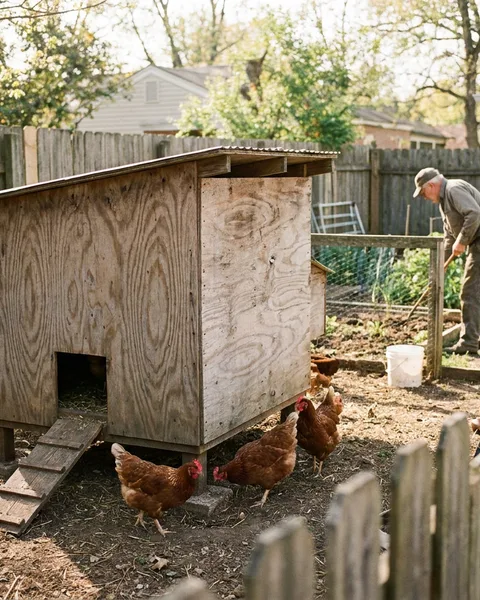
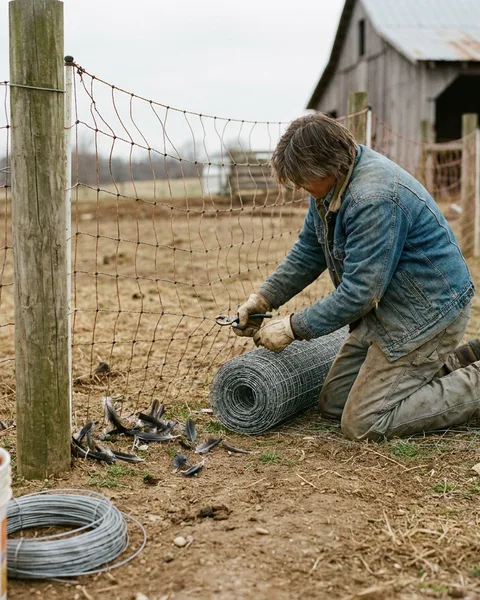
Budget a minimum of 3 to 5 square feet of indoor coop space per bird — four hens land you at 12 to 20 square feet before you've even sized the outdoor run. Bigger breeds and colder climates push you toward the high end of that range. Lock it every night, not just the nights you remember — a coop with a loose latch and no buried wire skirt around the run is an open invitation to anything that digs.

2

2What daily care actually looks like

Feeding, watering, checking for eggs, and a coop clean-out on a regular rotation — daily tasks that don't pause for vacations, which means a plan for who covers them when you're away is part of owning chickens, not an afterthought. Laying hens need roughly 16 hours of light a day to keep production steady; in a short-daylight winter, that means supplemental lighting, and even then, some seasonal drop in eggs is normal.

3Winter is a ventilation problem, not a heating problem

Most guidance advises against supplemental heat in the coop — the fire risk from a heat source near dry bedding outweighs the benefit, and chickens are hardier in cold than people expect. What actually matters is blocking drafts at bird level while still venting excess humidity and ammonia; humid, poorly ventilated air causes far more frostbite on combs and feet than cold, dry air does. Insulating the floor with 4 to 6 inches of straw or shavings and dabbing petroleum jelly on combs and wattles on the coldest days covers the rest. Four hens in 12 to 20 square feet of coop need real airflow, not a sealed box — a small vent up high, positioned away from the wind, keeps ammonia and damp from building up without letting a draft hit the roost.

4

4What it costs

The honest cost list is coop or coop materials, feed, bedding, and a real chance of vet care at some point — no single sourced 2026 dollar figure covers all of that reliably across regions, so none is printed here. Budgeting for the unplanned expense, not just the planned ones, is the extension advice that actually transfers.

Explore this area
HomeHouseGardenFarm