SiLOSSiLOS

Reading the clues left by chicken predators

About this photo
1

1The overnight list

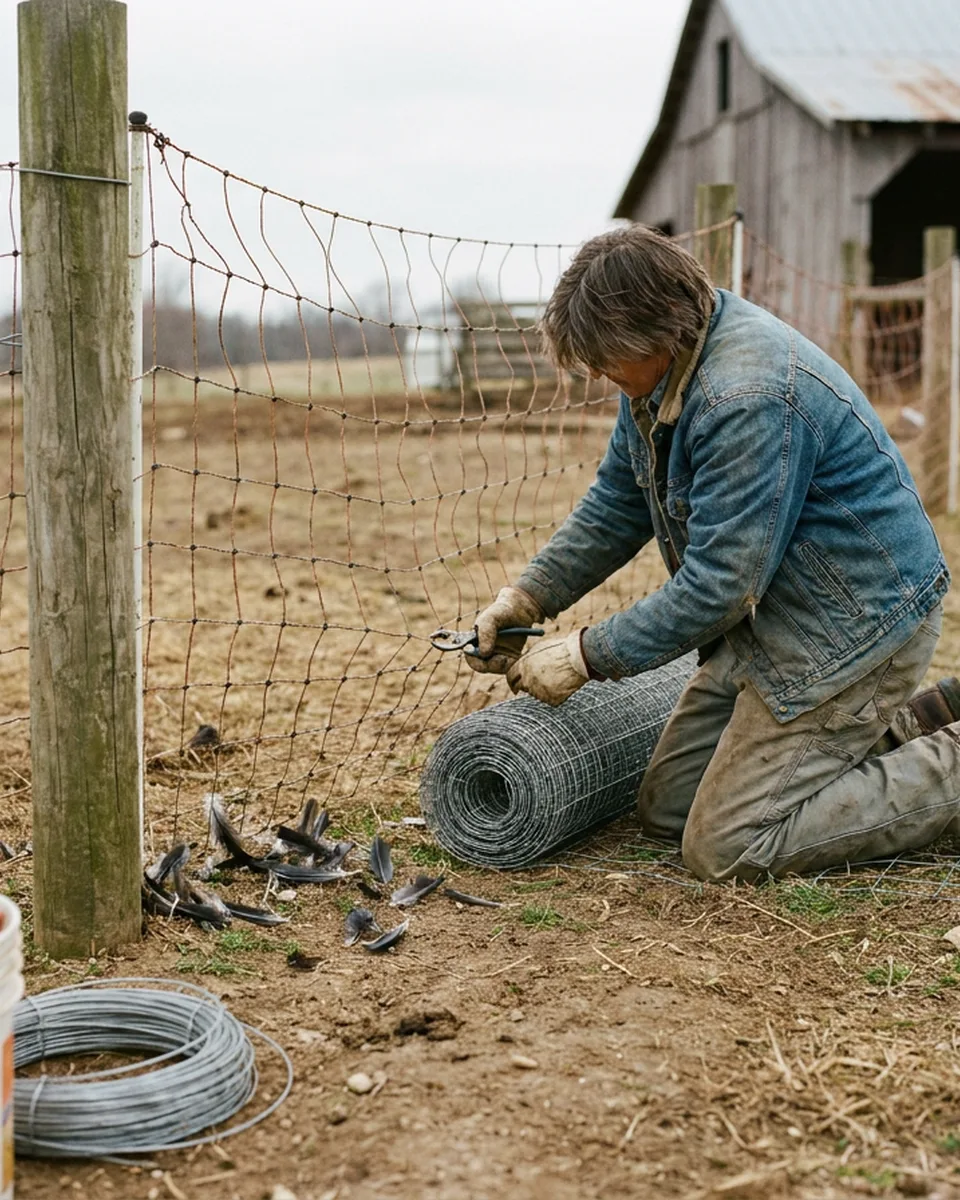
Foxes, coyotes and bobcats hunt after dark and usually carry a bird off to eat elsewhere. Raccoons and weasels are the other big overnight threats — a raccoon will pull a bird's head or legs through a wire fence and leave the body behind, while a weasel can kill several birds in one visit by biting the backs of their heads. Great horned owls take birds at night too, sometimes eating them where they fall. Missing eggs with no other sign point to skunks, snakes, rats, opossums, raccoons or even crows and blue jays — the bird count stays the same, only the egg count drops.

2Who comes in daylight

Larger hawks attack from above during the day and eat their catch on the spot — scattered feathers in the open are the tell. Loose dogs and cats are a real problem in urban and suburban settings; skunks and opossums mostly go for eggs, though they'll take a bird given the chance.

3

3The two numbers that actually stop predators

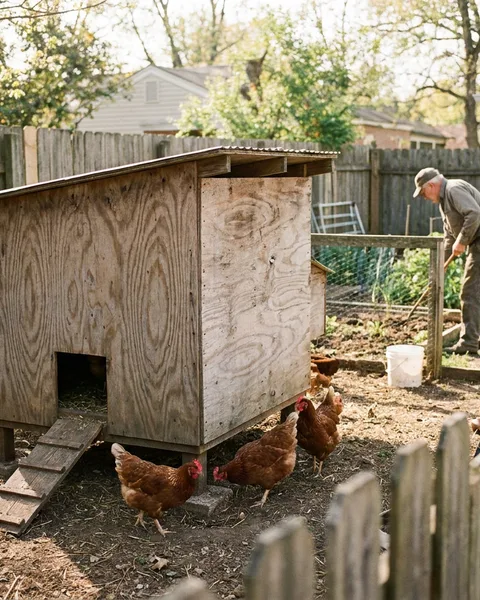
Mesh openings smaller than one inch keep a raccoon or weasel from reaching a paw or head through the fence at all. Burying the fence's lower 12 inches straight down (a furrow of soil pushed over the buried section works well) stops the tunneling that a surface-only fence never addresses. Covering the run itself keeps out hawks, owls, snakes and climbing predators like raccoons and feral cats. Raise the coop itself a foot off the ground — it stops rats, skunks and snakes from denning underneath, and it's a free inspection strip where you'll spot digging before it becomes a breach. Doors and windows that actually latch tight matter as much as the fence; a gap a raccoon can pry open makes the rest of the setup irrelevant.

4Where electric fencing fits

Electric poultry netting is a genuinely better option than plain wire against ground predators, and temporary electrified fencing works well for movable pasture pens. It has limits, though: it doesn't stop raptors, snakes or small mammals like rodents, and free-ranging birds are always at higher predation risk than a fully enclosed run — locking birds into a secure house at night, when predation risk peaks, covers the gap.

Explore this area
HomeHouseGardenFarm