SiLOSSiLOS

Three ways to save basil and thyme

About this photo

1Hanging bundles, the low-effort default

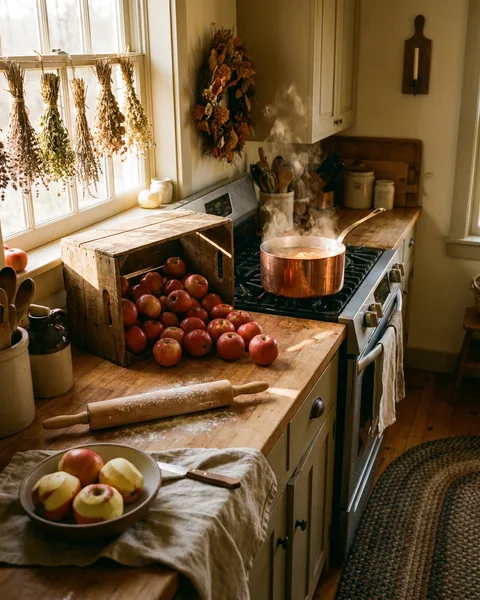
Wash and drain the stems, tie 5 to 8 into a small bundle, and hang it somewhere dark and warm (70–80°F) — dark matters as much as warm, since light bleaches colour and flavour out as it dries. Expect 2 to 4 weeks depending on how humid the room is. Short-stemmed herbs or loose leaves do better spread flat on a screen or tray in the same dark, airy spot.

2Freezing keeps more flavour than drying

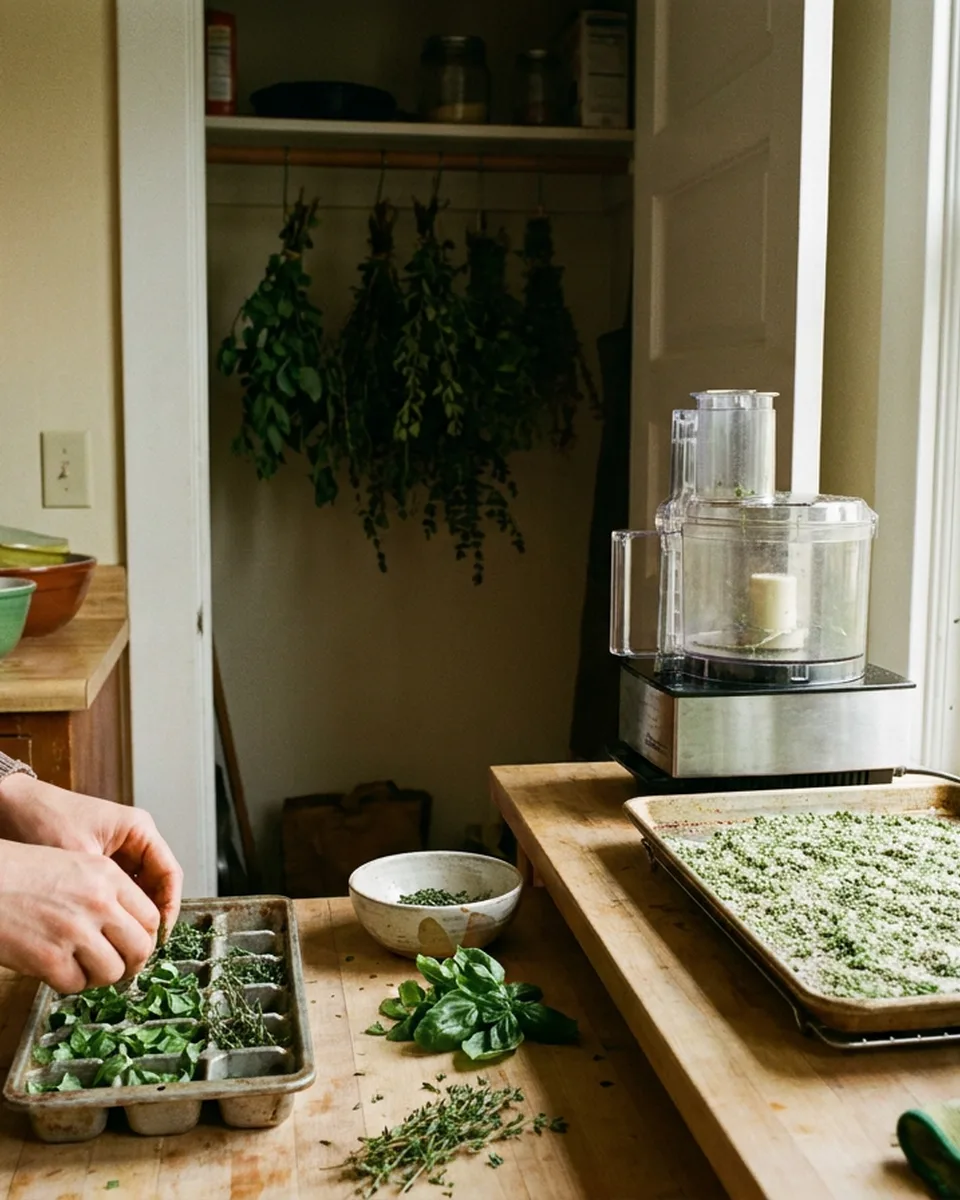
Chop the herb, pack about a tablespoon into each ice cube tray section, cover with water and freeze — pop the cubes into soups and sauces straight from frozen. Freezing in oil instead of water (roughly a third to a half cup of oil per two cups of chopped herb) keeps colour better and never freezes rock-solid, so you can scrape out just what you need; it works especially well with basil, which browns fast when air-dried.

3

3The herb salt, for a finishing touch

Equal parts fresh herb and coarse salt, blitzed together in a food processor until the pieces are an even size, spread thin on a parchment-lined pan and baked at your oven's minimum setting (around 175°F) for 40 to 50 minutes, stirring halfway. It's done when the colour has lightened and the herb crumbles instead of bending — basil, rosemary, oregano, dill, thyme and chives all work.

4The first hour

Cut in mid-morning, after the dew has dried but before the sun's heat has cooked the oils out of the leaf — that window is when the flavour is most concentrated. New growth at the tip of the plant carries more flavour than older leaves lower down.

5What goes wrong

Herbs that aren't fully dry before storage mould in the jar within weeks — a properly dried leaf crumbles between your fingers instead of just feeling papery. Herb salt has the same test: dry a few extra chopped leaves alongside, unsalted, and check those for crispness before you trust the batch.

Explore this area
HomeHouseGardenFarm