

SiLOSSiLOS

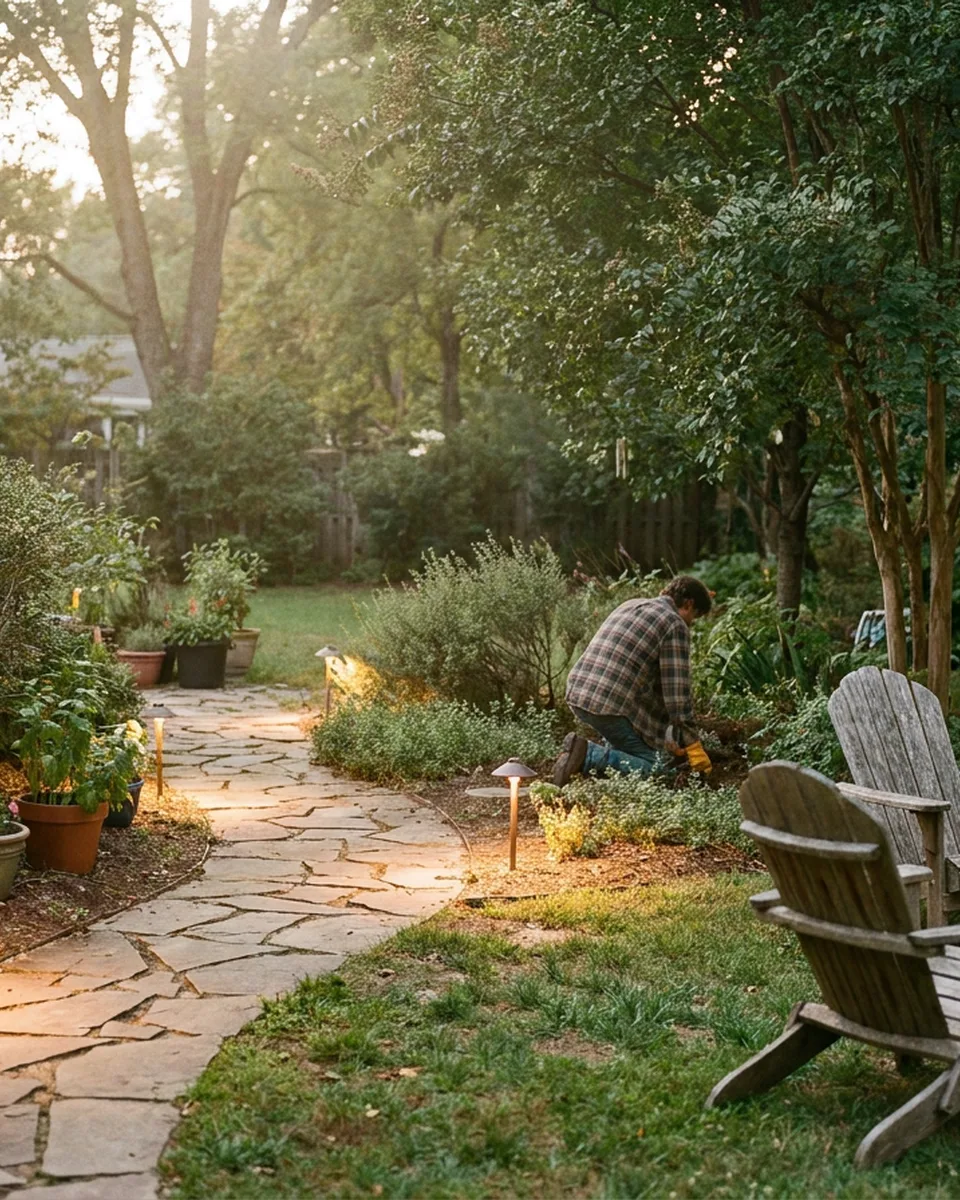
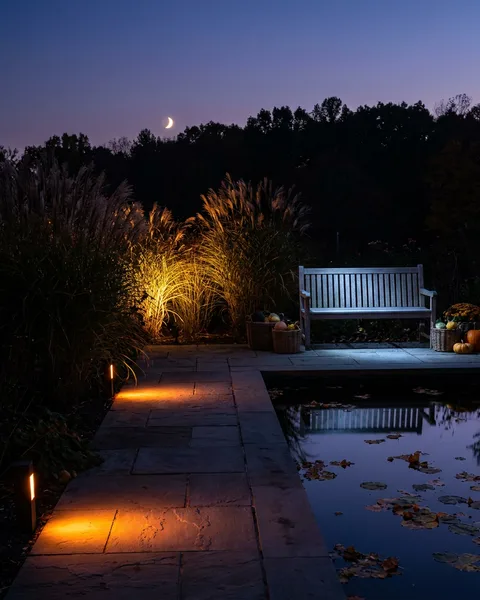
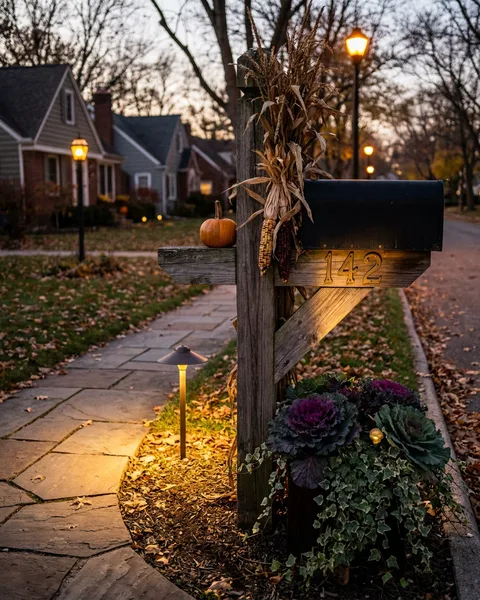
Warm path lights, not white

About this photo
1

1The number to look for

In lighting, colors around 2700 to 3000 kelvin are labeled 'warm' (yellowish, candle-and-incandescent territory), while anything above roughly 5000 kelvin reads as 'cool' or bluish-white — confusingly, warm light has the lower kelvin number, the opposite of what the word 'warm' suggests about temperature.

2

2Kelvin itself is just a temperature scale

Kelvin is borrowed straight from physics — the same scale used for absolute temperature — as a shorthand for comparing a bulb's color to the color a heated object would glow at that temperature. It's a physics analogy stuck onto a light bulb box, not a measure of how hot the bulb actually runs.

3

3Landscape lighting is its own discipline

Landscape lighting design specifically balances function (safe footing, visibility) against mood and glare control — a path light aimed to shine outward into people's eyes defeats the purpose regardless of what kelvin the bulb is.

4

4Shielded and downward is the dark-sky standard

Reducing light pollution comes down to a few consistent habits: shielded, downward-facing fixtures, placed on a timer or motion sensor so they're not running all night for no reason — the same fixtures that keep light off a neighbor's window also keep the sky dark enough for fireflies and stargazing.

Explore this area
HomeHouseGardenFarm