
SiLOSSiLOS

Drip irrigation: water the roots, not the driveway

About this photo
1

1The trick is friction, not just a small hole

Modern drip irrigation was worked out in Israel in the 1960s, and the breakthrough wasn't a smaller hole (tiny holes just clog with grit) — it was slowing the water down inside the emitter with friction instead, through a longer, twistier internal passage. That's still the trick every drip line uses: the water fights its way out slowly on purpose.

2

2The spacing that's actually standard

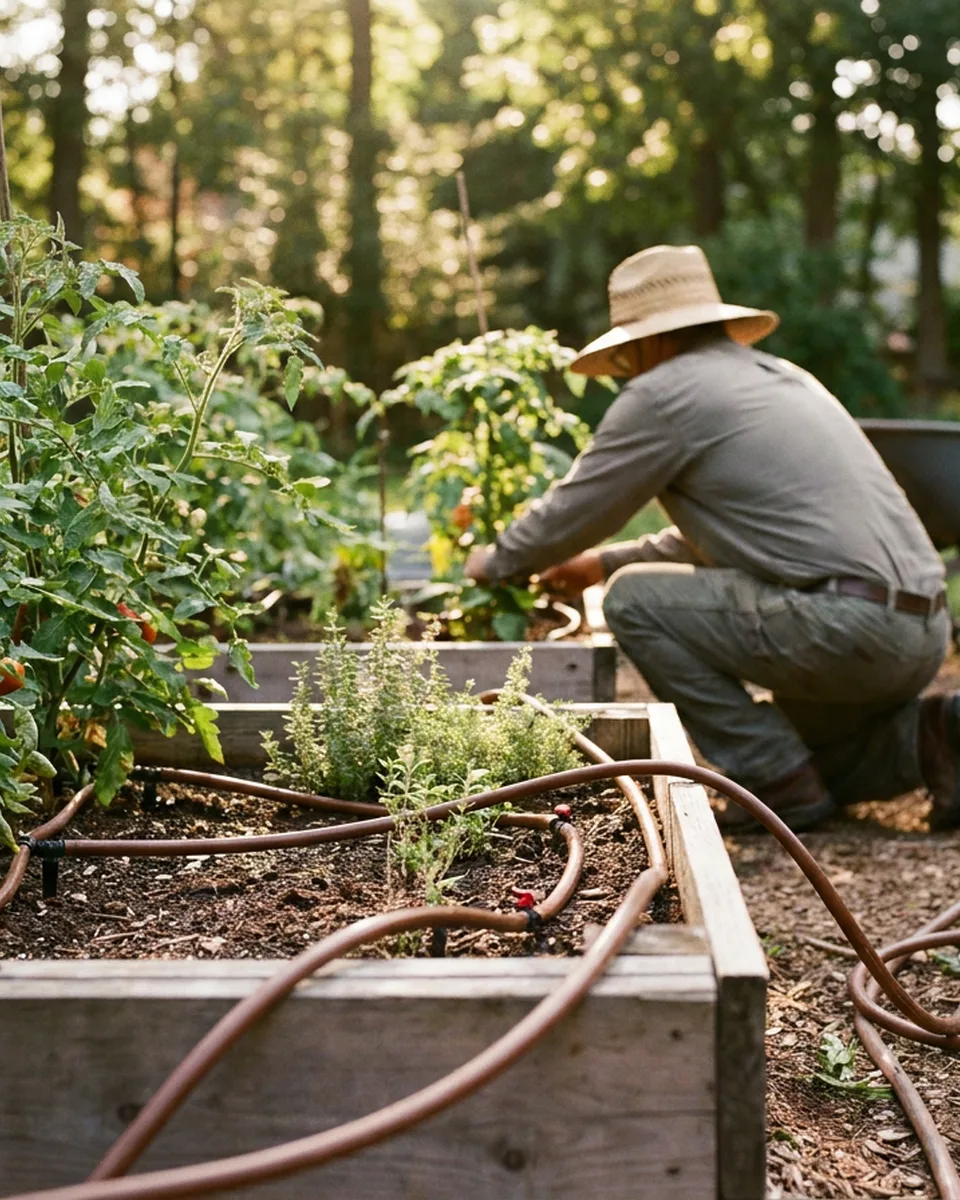
Drip tape emitters are typically spaced 6 to 24 inches apart along the line, chosen based on the crop or plant spacing — closer spacing for densely planted beds, wider for individual shrubs or trees.

3

3A filter is not optional

Even residential systems benefit from a dedicated filter beyond what municipal water already receives, since fine particle settlement inside the tubing can clog emitters over a season; most manufacturers won't honor a warranty without one installed.

4

4The efficiency case is real, not marketing

Because water goes directly to the root zone instead of spraying into the air or across bare soil, drip systems can be markedly more water-efficient than sprinkler or surface irrigation — reporting on drip adoption has cited savings as high as 70 percent of water use in some crops.

Explore this area
HomeHouseGardenFarm