


1
1It works fast
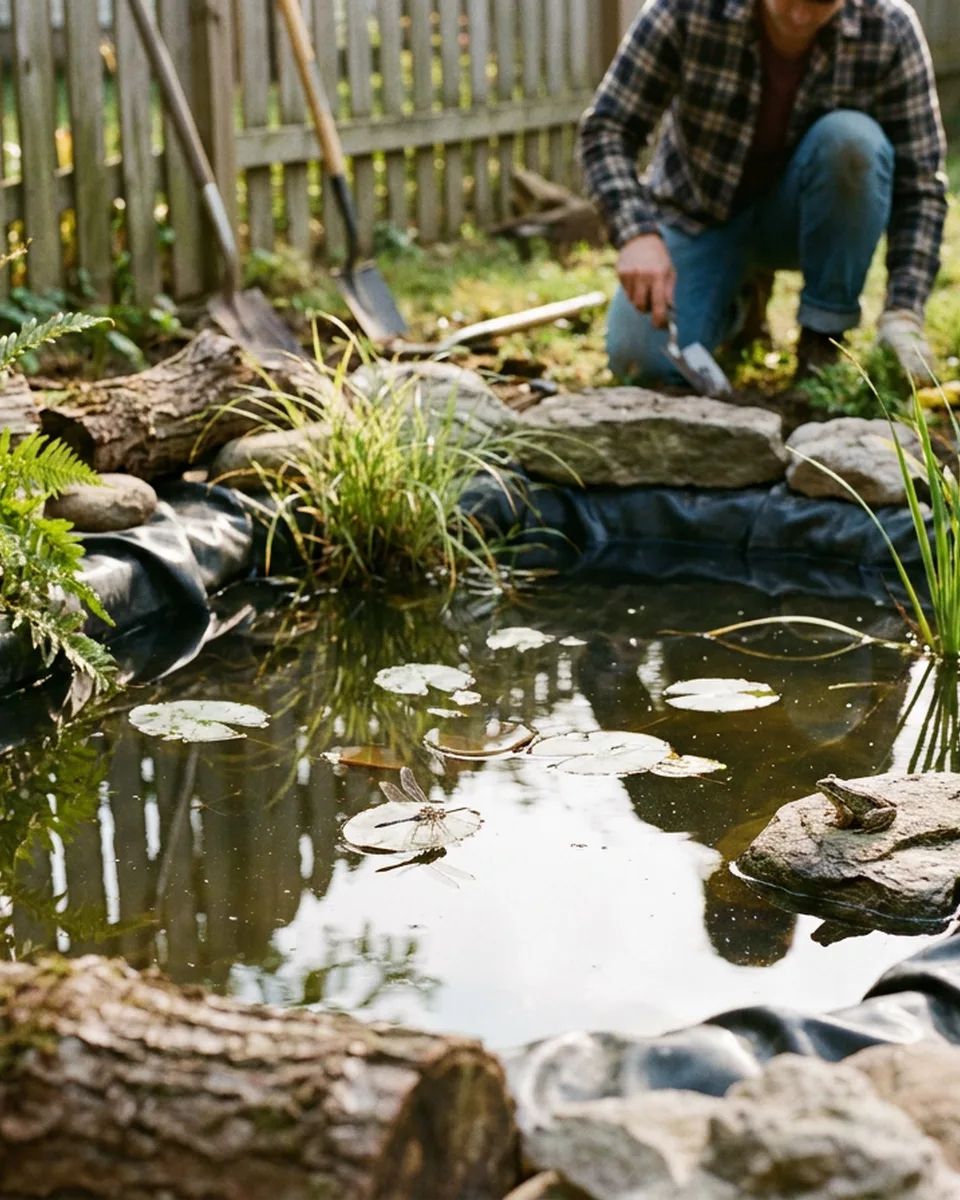
Invertebrates like dragonflies and water beetles, along with amphibians such as frogs and toads, can colonize a brand-new pond quickly — a wildlife pond isn't a slow-build project, it's closer to 'if you dig it, they will come.'
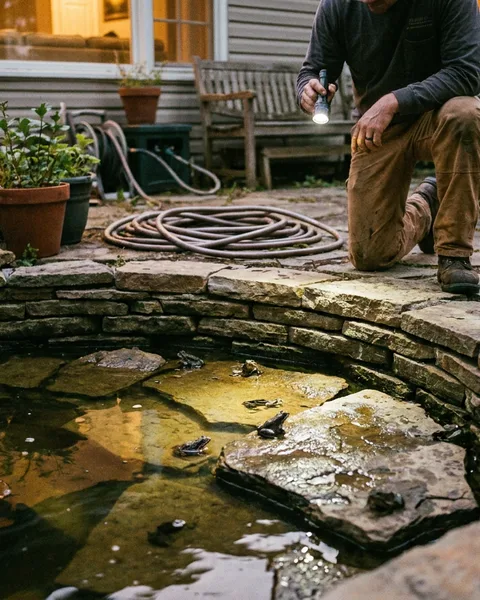 Make your pond frog-friendly at night
 The water heater, in all four uses
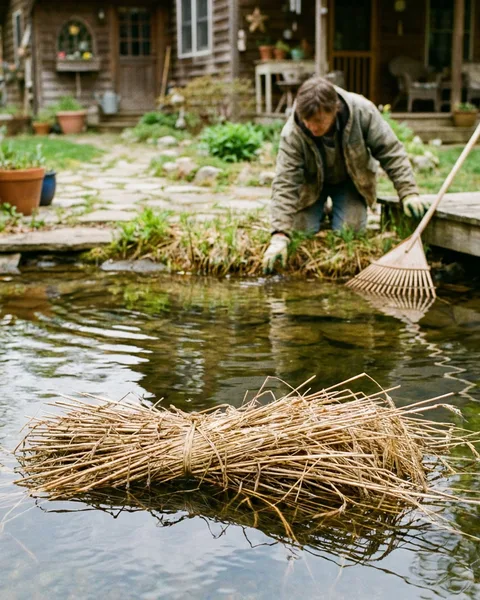 Barley straw clears pond algae slowly
 Backyard pond with rock waterfall and water lilies
 Frog fountain spouting water among lily pads in a pond
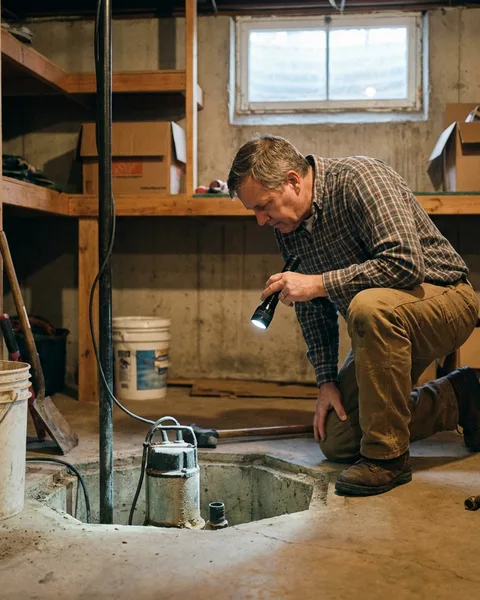 Test your sump pump before the storm comes
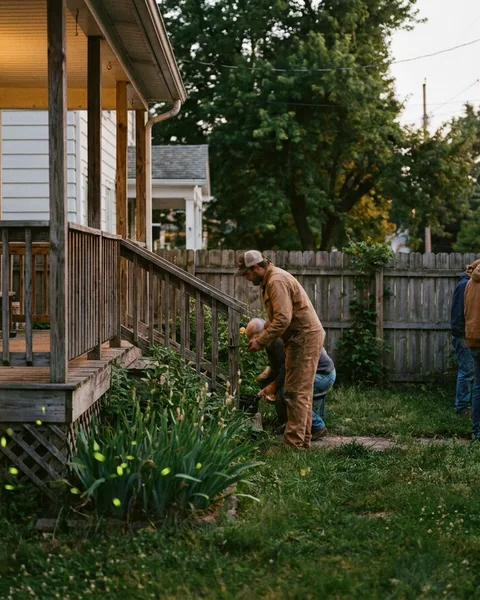 Bringing fireflies back
 Mockingbird perched on a metal hook in the garden
 Home
Home House
House Garden
 Farm
Farm