SiLOSSiLOS

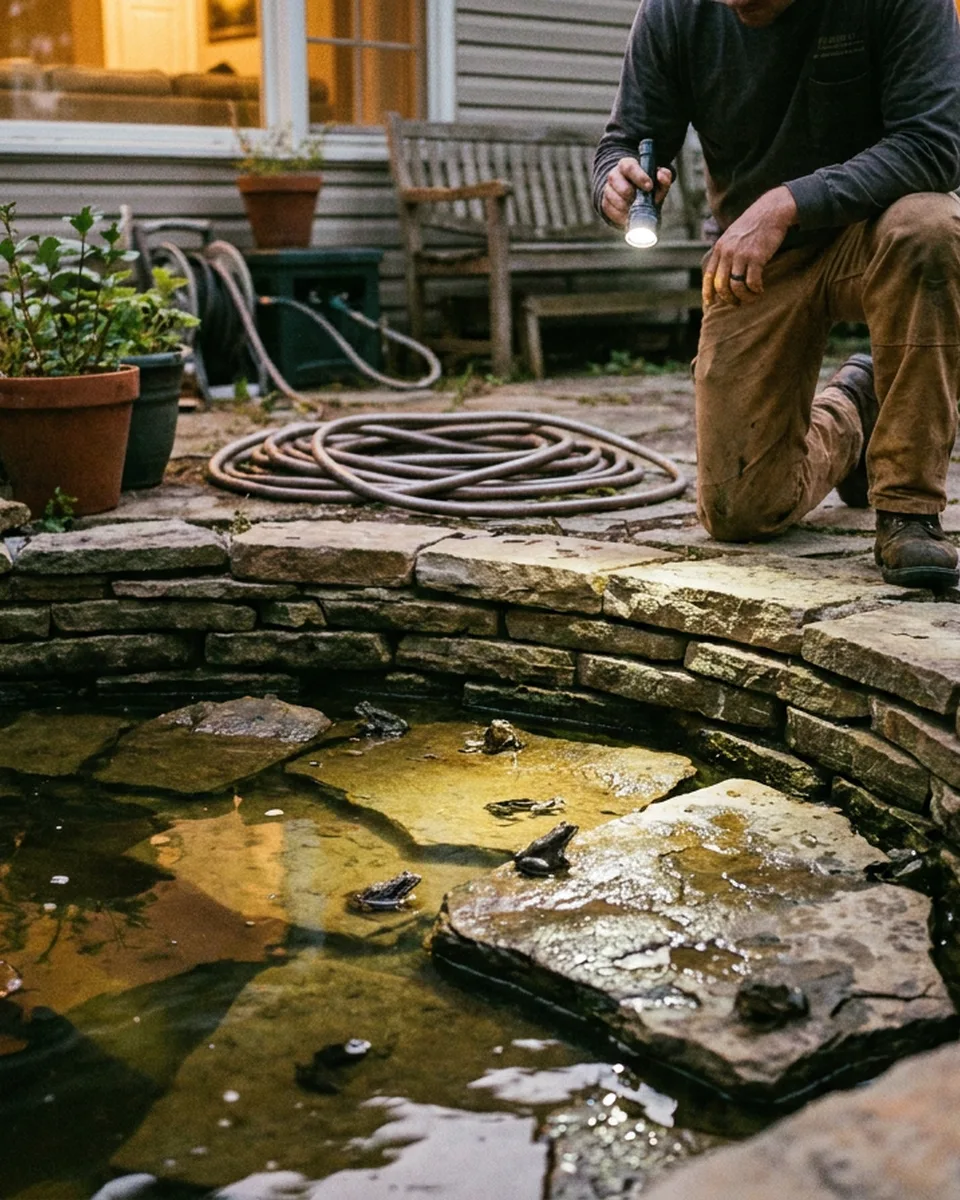
Make your pond frog-friendly at night

About this photo
1

1Shape matters more than size

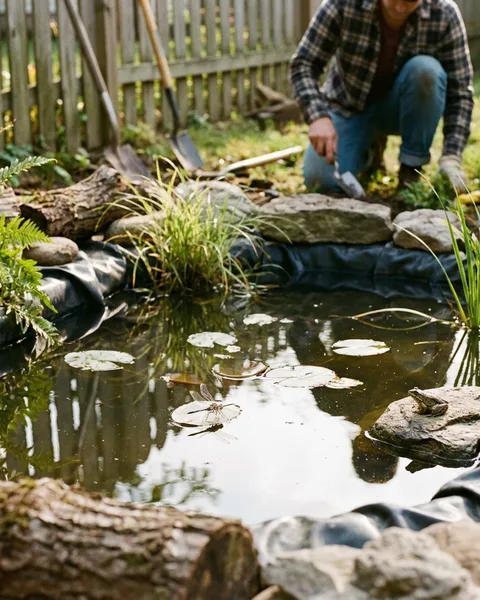
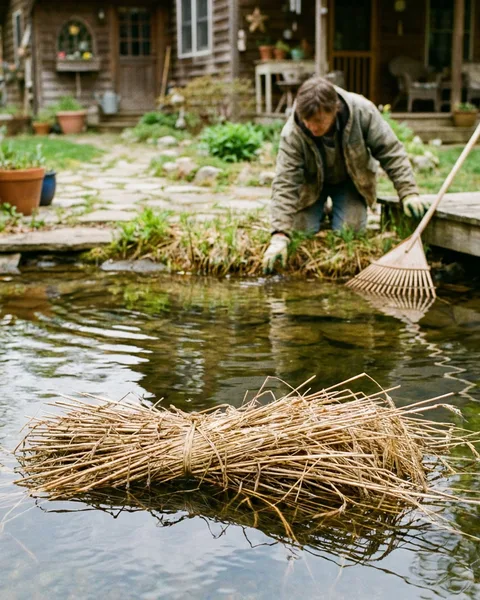
Provide shallow areas with a fringe of plants rather than sharp, rock-lined edges, plus gently sloping sides instead of vertical drop-offs — the manicured pond design most people default to is exactly the wrong shape for amphibians. A range of depths helps too, including one area deep enough that it won't freeze solid in winter.

2

2A little planned neglect goes a long way

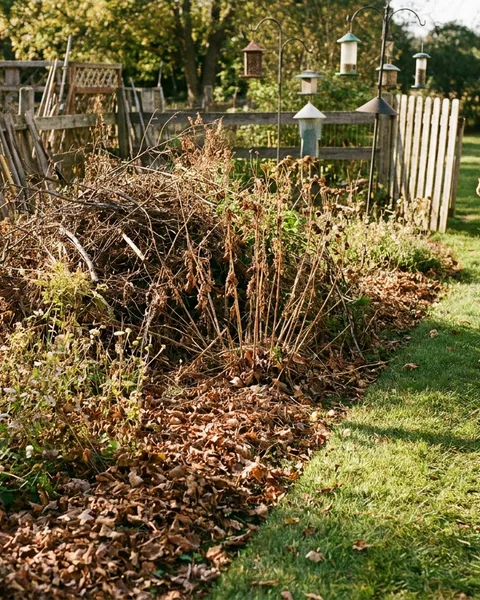
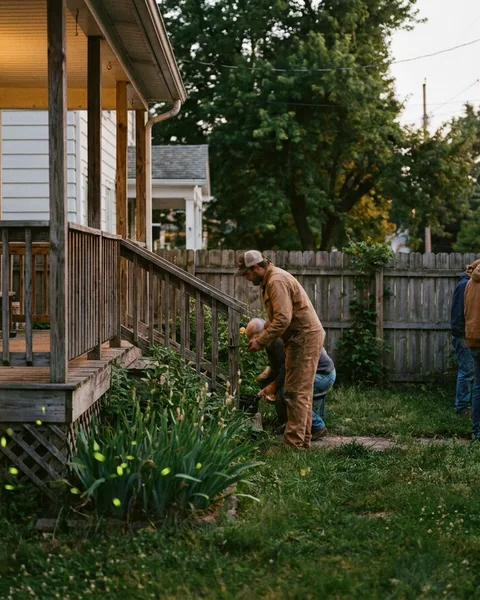
Removing all leaves and plant debris strips away shelter and foraging ground; leaving a fringe of unraked leaf litter, a small woodpile, or taller standing dead plants creates real refuge without taking over the whole yard. Small, out-of-the-way patches of intentional mess accomplish this without sacrificing the rest of the landscape.

3

3Variety beats uniformity

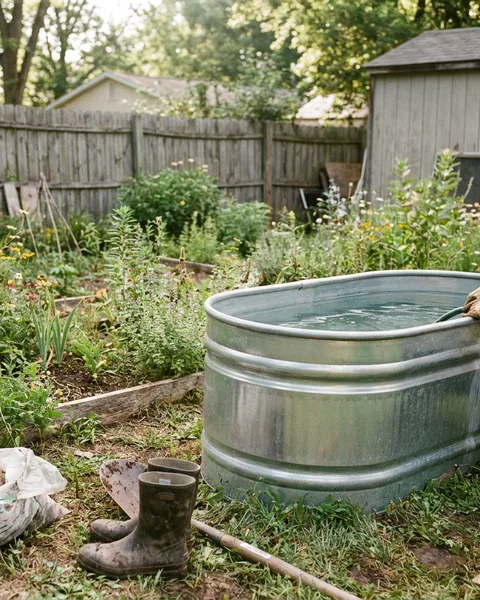
A mosaic of vegetation heights — some mowed open ground, some taller unmowed patches, a pocket of native plants — serves more wildlife than one uniform lawn ever will, and it cuts down on mowing at the same time.

4

4The payoff

Frogs and toads do real insect pest control as part of a functioning yard ecosystem, and watching a tadpole's transformation into an adult frog up close is genuinely one of the more remarkable things a backyard pond can offer for free.

Explore this area
HomeHouseGardenFarm