


SiLOSSiLOS

Why ice dams form and how venting helps

About this photo
1

1Three ingredients, every time

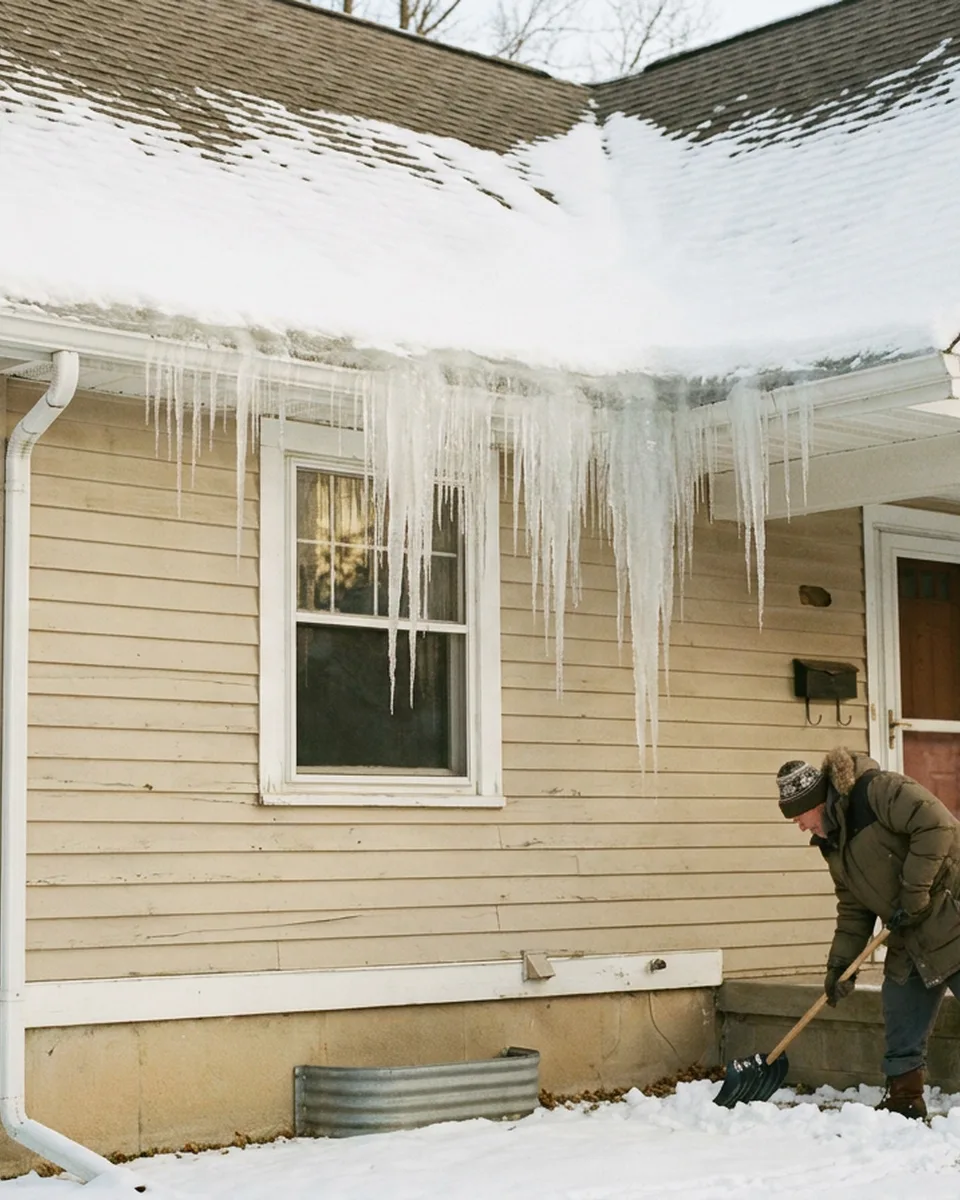
Ice dams form when melted snow refreezes at roof edges: snow, heat to melt it, and cold to refreeze it are the three requirements, and a dam can develop from as little as 1 or 2 inches of snow if the roof is poorly insulated and air sealed and sub-freezing temperatures follow.

2

2Snow itself is part insulation, and that makes it worse

Every inch of accumulated snow has an R-value of roughly 0.5 to 1, meaning it traps heat leaking from the house instead of letting it escape; a poorly insulated roof with 10 inches of snow on it can effectively gain R-5 to R-10 of extra insulation from the snow alone, warming the roof sheathing enough to melt the snow directly above the living space while the unheated overhang stays at outdoor temperature and freezes the runoff.

3

3The temperature difference across the roof is the real cause

Nonuniform roof surface temperatures, warm over the living space, cold over the unheated overhang, are what cause ice dams; the water backed up behind the resulting ice ridge can leak into the home and lead to mold and mildew growth in walls, ceilings and insulation.

4

4The high point of the attic needs its fair share of venting

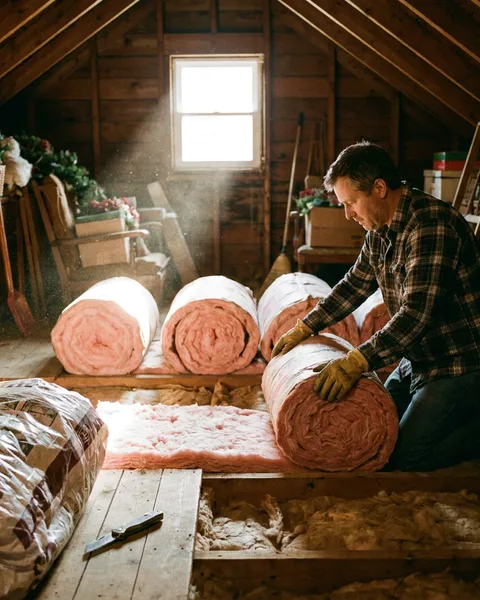
A working spec for attic ventilation calls for 40 to 50 percent of the total ventilation area to sit within 3 feet of the highest point of the attic, meaning ridge venting can't be an afterthought to a soffit-heavy setup; where soffit baffles are used, they should terminate at least 6 inches above the final insulation level and leave a minimum 1-inch clearance to the roof deck so airflow isn't choked off by the insulation meant to stop the heat leak in the first place.

5

5Venting is the cold-climate half of the fix

Building codes allow both vented and unvented attics when the rest of the roof is built correctly, but an unoccupied attic is usually vented to shed the heat and moisture that feed mold and rot in rafters and joists, and in cold climates that same airflow is what keeps the roof deck cold enough that ice dams don't form; insulation stops the heat from reaching the attic, venting carries off whatever gets through.

Explore this area
HomeHouseGardenFarm