
SiLOSSiLOS

Seal the attic hatch and stop losing heat

About this photo
1

1The hatch is an air-sealing problem, not just a storage door

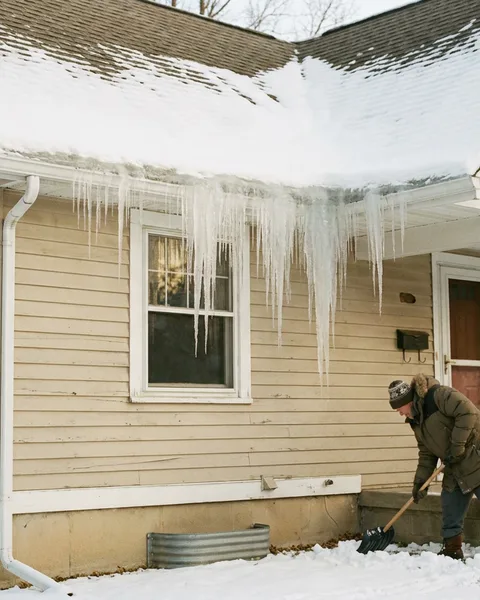
Access panels, kneewall doors and dropdown stairs into the attic should be air sealed with weatherstripping on the frame or panel, plus latch bolts or mechanical fasteners that pull the door tight against it; a continuous air barrier between the attic and the conditioned house saves energy, reduces fuel bills, and prevents moisture problems in the attic.

2

2The floor up there hides real fall hazards

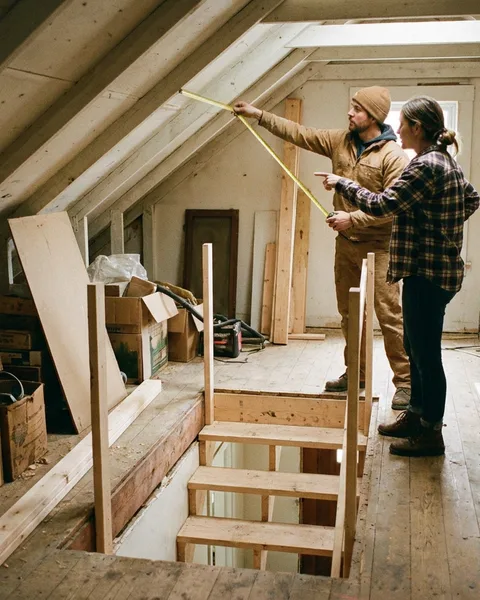
Working in a low attic exposes people to fall hazards at the openings between truss chords, and the risk is compounded by exposed nails, cables, low-hanging rafters, poor lighting, and truss chords hidden under deep insulation. OSHA guidance is direct that employers must evaluate the hazards and reduce fall risk, not treat attic access as casual.

3

3What actually belongs up there is a temperature question

An attic swings through the widest temperature range of almost any space in the house, hot in summer, cold in winter, which rules out anything sensitive to heat or freezing: photos, records, electronics, candles, and most liquids don't belong in long-term attic storage, whatever the floor space suggests.

4

4The hatch needs its own R-value, not just a seal

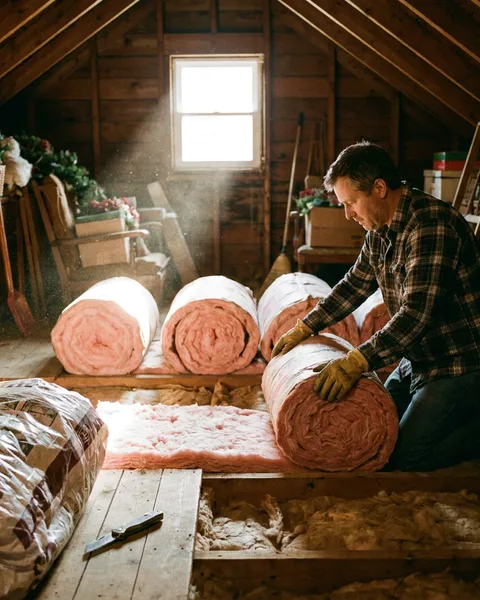
The attic access should be insulated to about the same R-value as the rest of the attic, and rigid foam is the material recommended for the cover itself; where loose-fill insulation is piled near the opening, a dam at least 16 inches tall, built from framing lumber and rigid foam or cardboard, keeps it from spilling through every time the hatch opens.

5

5The ladder is a steep ladder, not a small stair

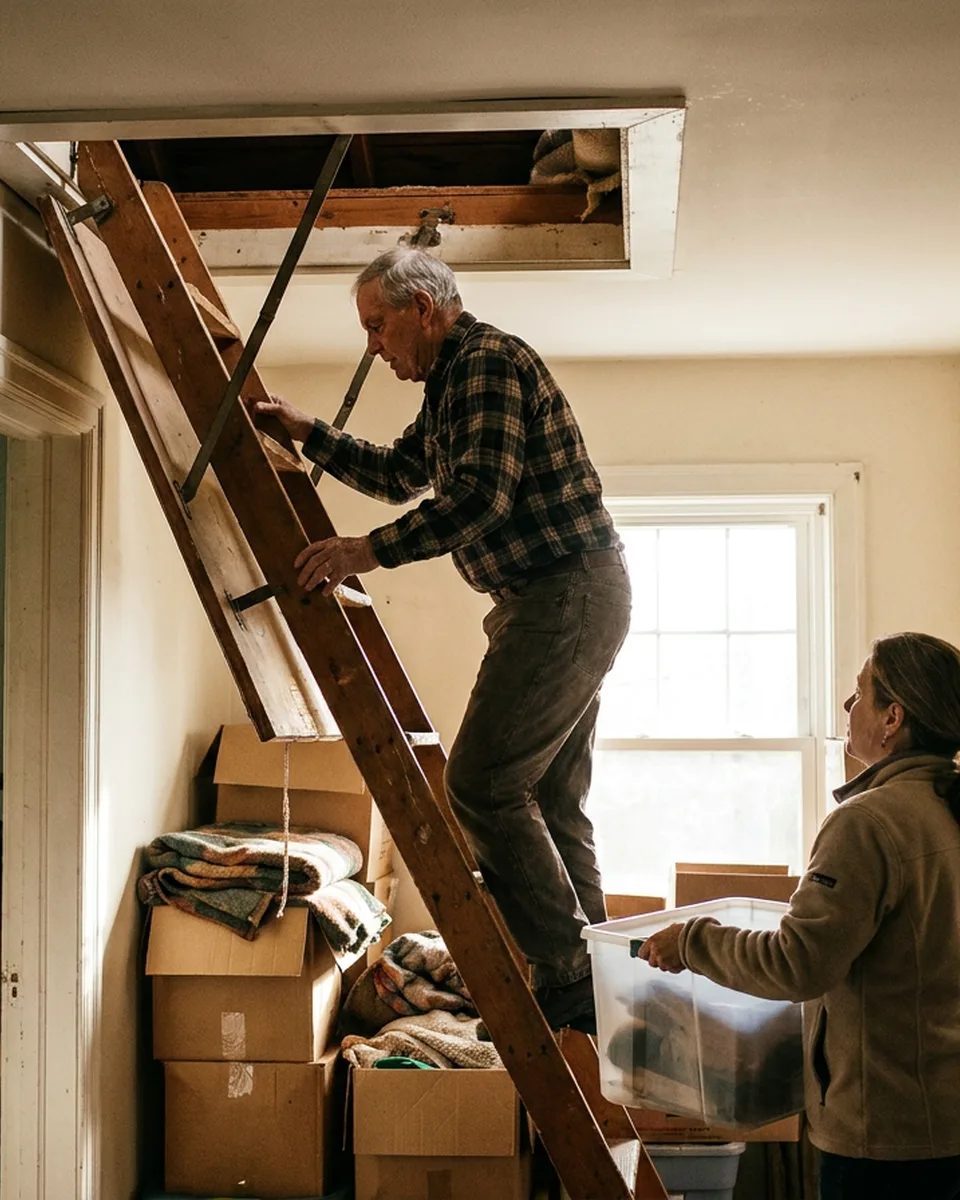
A pull-down attic ladder is a retractable ladder built into the access panel, sold as the cheap, compact alternative to a real stairway; it has wider steps than a plain ladder but a steep slope, opens by a drawstring, and comes in wood, metal, aluminum or fiberglass. Carrying a heavy box up something that steep, with both hands full, is the everyday version of the fall hazard OSHA writes about.

Explore this area
HomeHouseGardenFarm