
SiLOSSiLOS

Siding choices explained for real houses

About this photo
1

1The short version

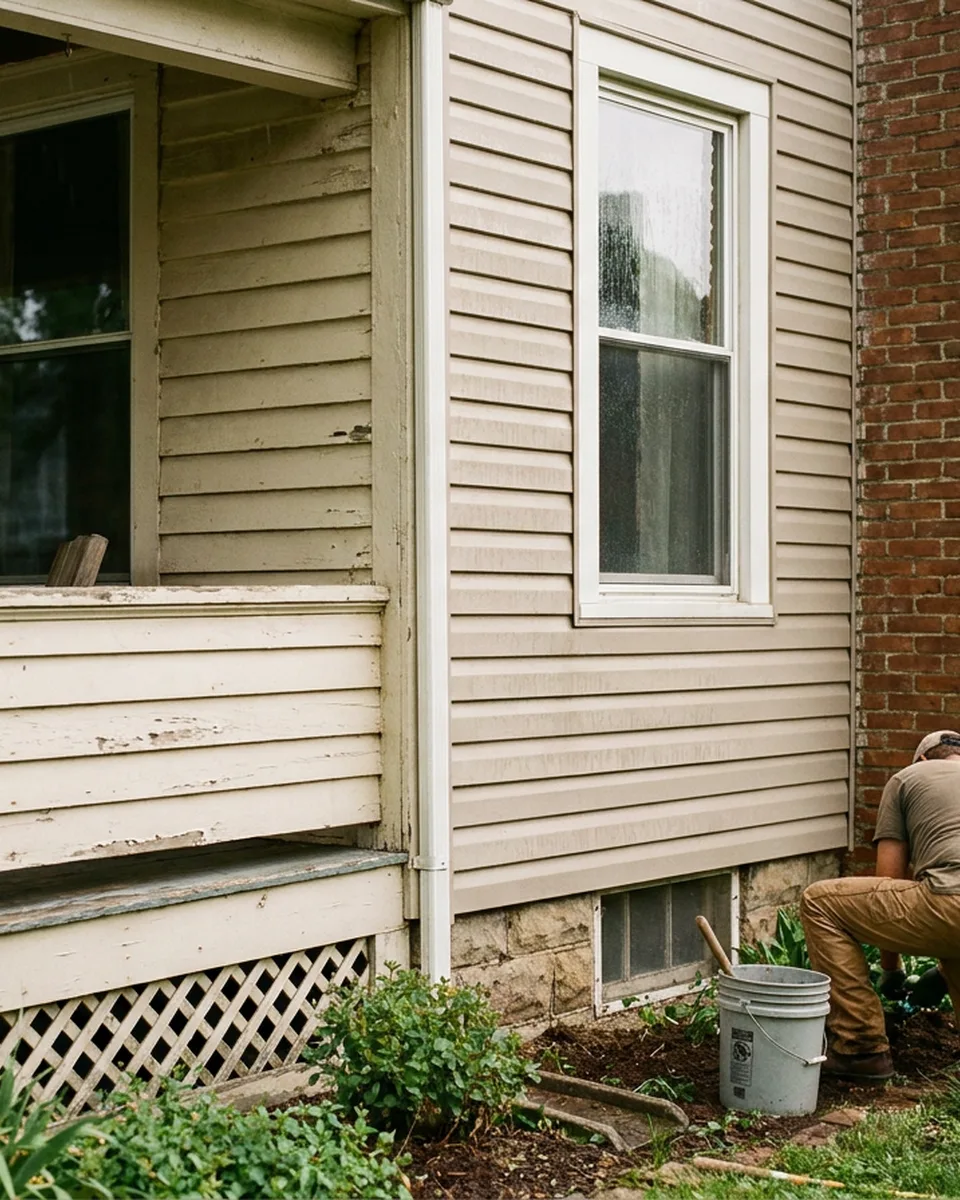
Every house wears a raincoat, and most people can't tell you what theirs is made of. Vinyl is roughly 80 percent PVC resin and is the most commonly installed exterior cladding in the United States and Canada. Fiber cement is cement reinforced with cellulose fibers, resistant to termites, rot and fire. Both are usually installed as overlapping horizontal boards, the same principle as the wood clapboard they were built to imitate: each board overlaps the one below it so water runs down and off, not in.

2

2What it takes, and what goes wrong

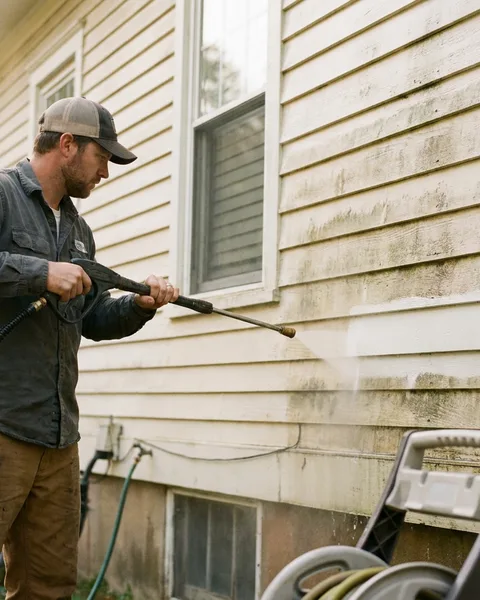
Vinyl needs almost no maintenance beyond an occasional wash, but it dents, fades in strong sun, and cracks in a hard freeze if struck. Fiber cement holds paint far longer than wood and does not rot, but it is heavy, has to be cut with the right blade to avoid a silica dust hazard, and needs re-caulking at the joints on the same schedule as any other siding. Behind either one, the real work is invisible: a weather-resistive barrier (housewrap) has to be lapped shingle-fashion under the siding and over the flashing at every window, door and penetration, or water gets behind the siding instead of running off it.

3

3The two or three ways people actually pick

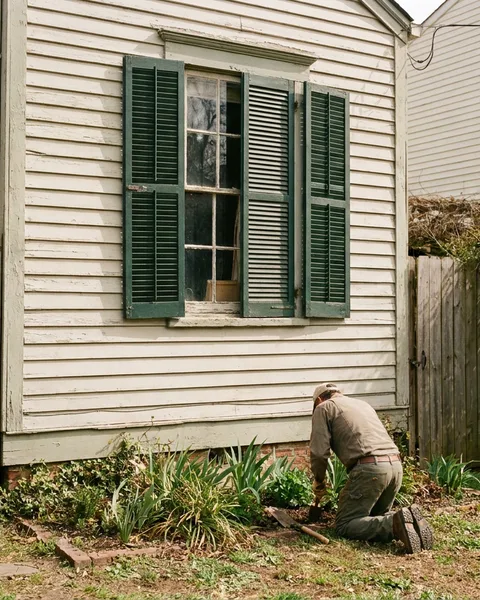
Most people re-siding a house on a budget choose vinyl because it is inexpensive, needs no repainting, and goes up fast; a common specification calls for 42-mil vinyl with matching trim and vented soffits. People staying long-term or facing wildfire or termite concerns often move to fiber cement instead, paying more up front for a material that holds paint and does not burn or rot. Wood and brick mostly stay because they were already there: an old house keeps its original siding until it genuinely fails, at which point it is usually replaced with one of the other two.

4

4The first hour

A re-siding job starts by pulling off anything unstable down to the sheathing, while boards that are still sound get re-secured rather than removed. The loud part is early: old siding coming off in sheets, a dumpster filling fast, and the house looking worse before it looks better. By the end of day one the crew is usually further along than the mess suggests.

Explore this area
HomeHouseGardenFarm