SiLOSSiLOS

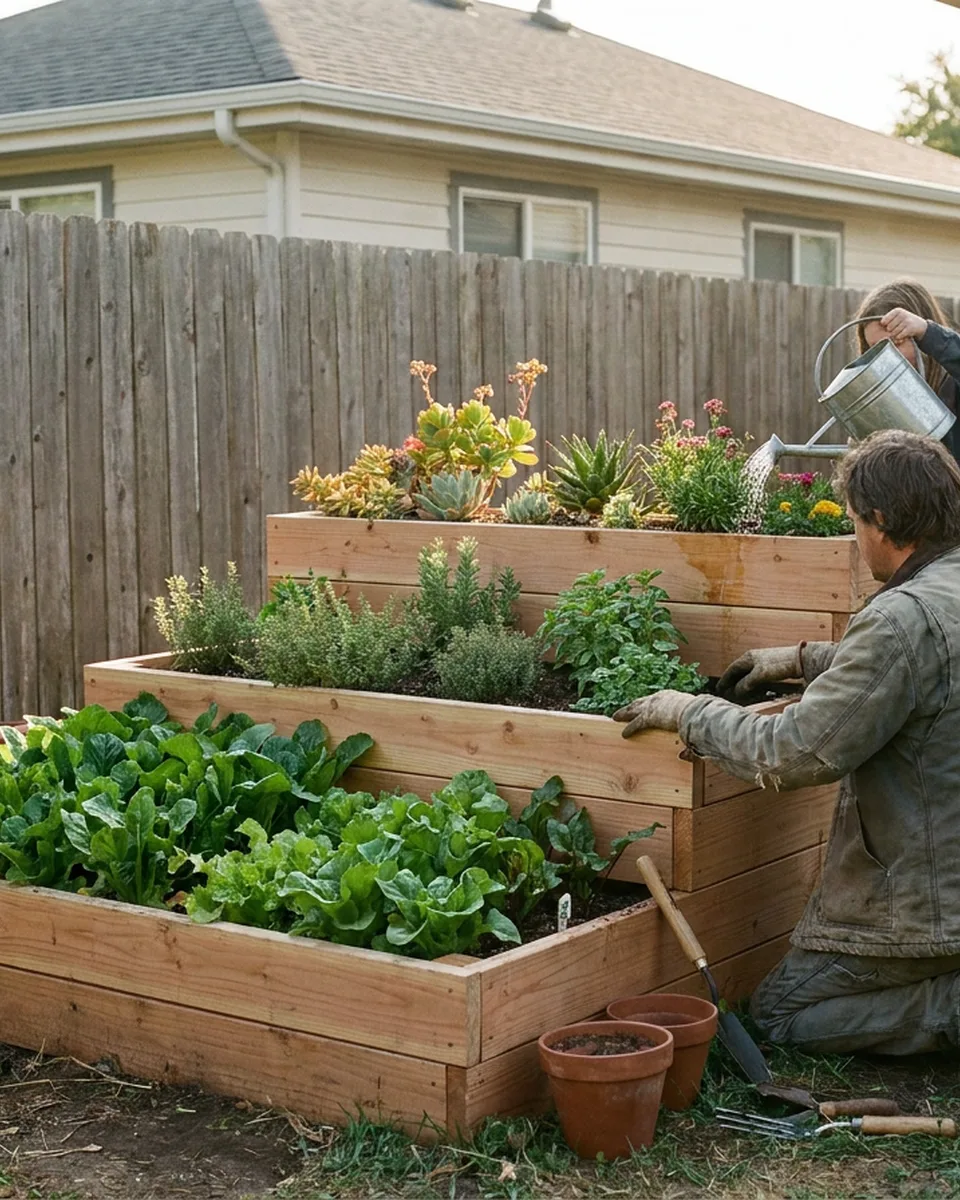
Three stacked beds, three growing conditions

About this photo
1

1Why stack instead of spread out

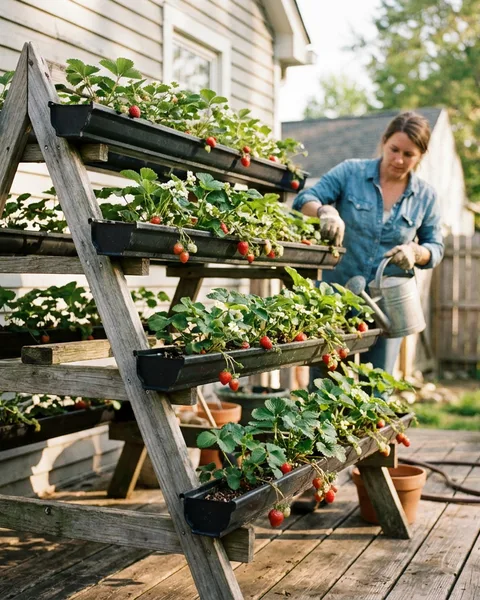
One footprint, three growing zones, no extra ground taken. The trade is water: raised beds already dry faster than garden soil because they drain on all sides, and every extra foot of height adds more of that same exposure.

2

2What holds the stack up

Wood is still the easiest material — cedar or hemlock if you want it to outlast the tomatoes by a decade, pine or fir if you're fine rebuilding in five to seven years. Anything taller than about 18 inches or longer than 6 feet needs reinforcing — cross-cable, corner brackets, stakes — or the weight of wet soil bows the walls outward.

3

3The first hour

Building the frames is fast; the argument is always about the top tier's height, because that's the one number that decides how often you'll be up there with a hose. Start one tier shorter than you think — you can always add another course of boards later.

4

4What goes wrong

People build the top tier tall for looks, plant tomatoes in it, and spend July running back and forth with a watering can. The soil dries from the sides as well as the top on a tall tier, so it acts like a big pot, not a garden bed.

Explore this area
HomeHouseGardenFarm