


1
1A downspout has one job
A downspout carries water from the gutter down to the ground without letting it drip or splash down the building's own wall — the point at the bottom, where it discharges, is exactly where drainage problems start or stop.
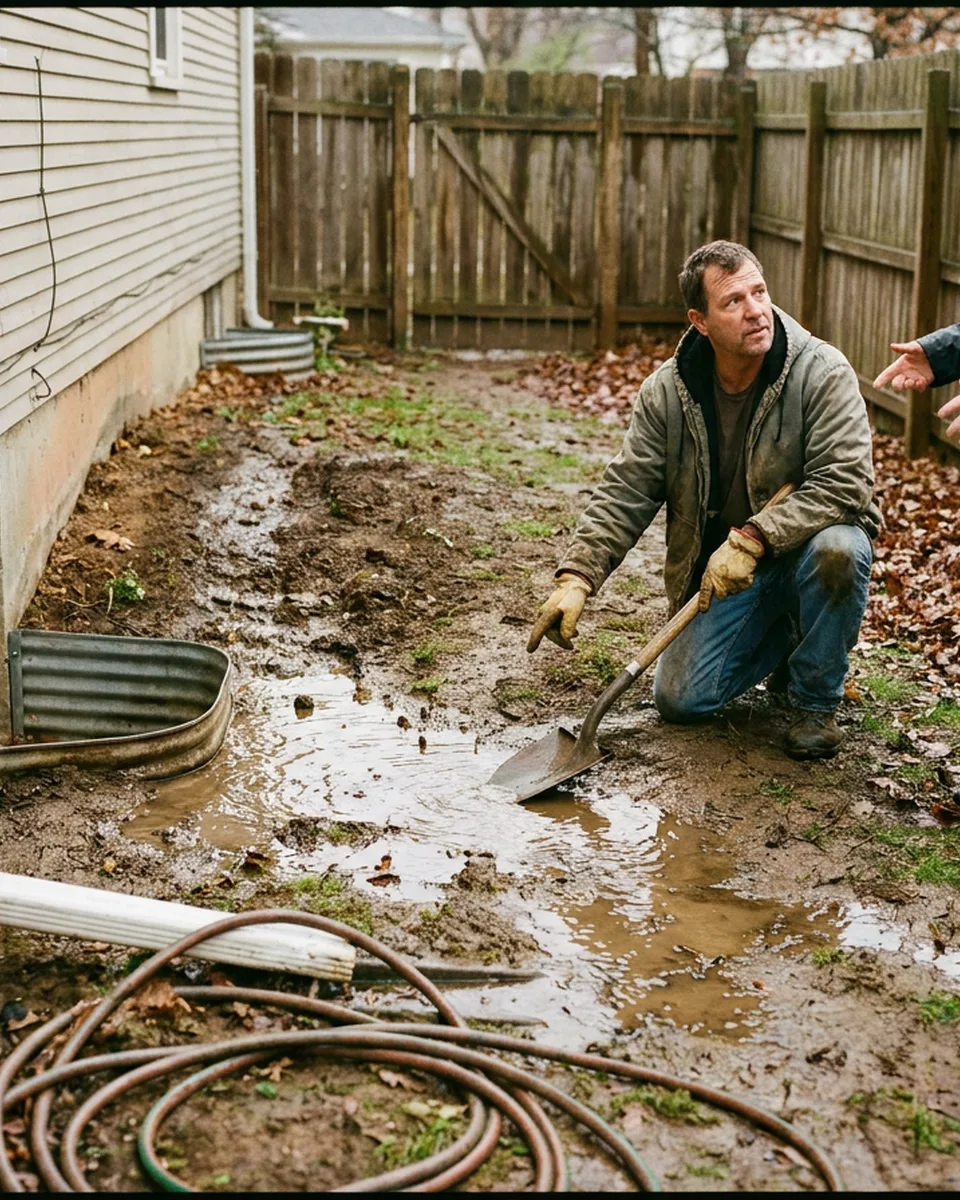
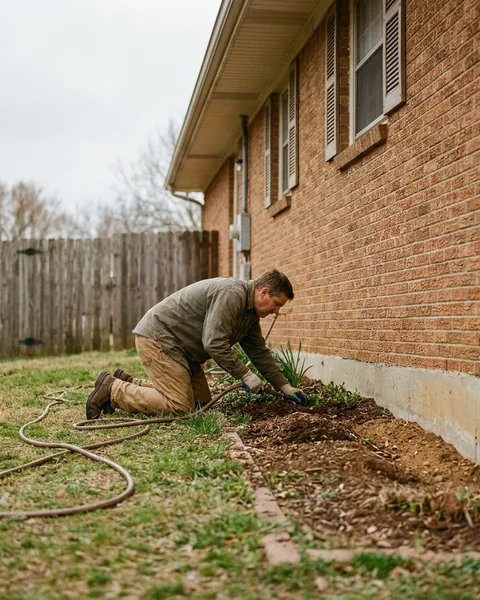 The gentle slope that keeps basements dry
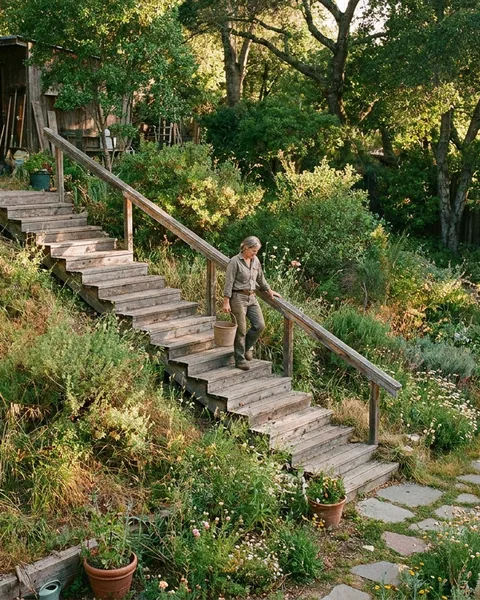 Steps on a slope, done right
 Send your downspout water two feet further
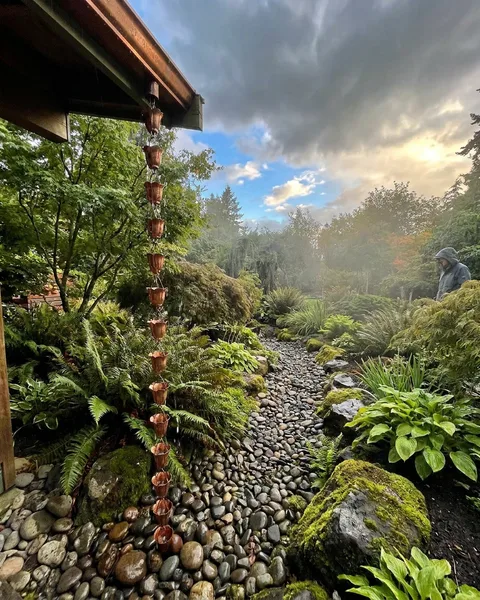 Copper rain chain beside a stone creek bed in a lush garden
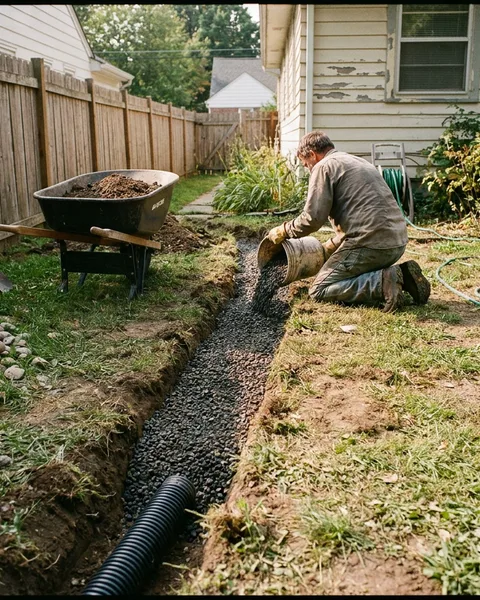 Build a simple French drain in a weekend
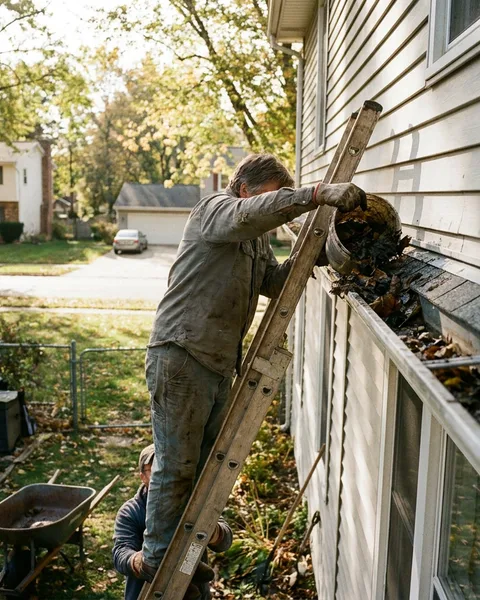 Cleaning gutters safely once a year
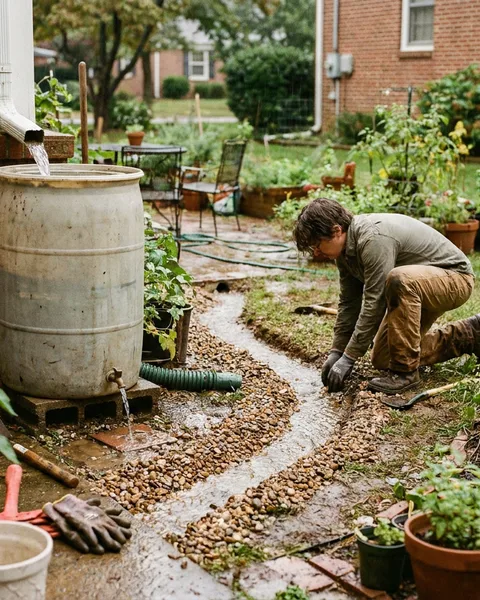 A rain barrel is easy; the overflow isn't
 Gravel path winding through green trees and a willow
 Home
Home House
House Garden
 Farm
Farm