


SiLOSSiLOS

Seal siding cracks before the first freeze

About this photo
1

1The short version

A tube of caulk in October is cheaper than anything that happens if you skip it and let January find that gap first. Three sealants cover almost every fall crack: acrylic latex is the general-purpose, paintable, inexpensive choice for most gaps in trim and siding. Polyurethane is the durable option, with strong adhesion to concrete, wood, metal, plastic and masonry, and it is what goes around vents and other penetrations. Silicone is the water-, mold- and mildew-resistant one, chosen where wet is the main problem, not movement.

2

2The rule almost everyone gets backwards

Cracks around a window or door should be caulked along the top and sides, never along the bottom. Sealing the bottom sill traps any water that does get past the flange instead of letting it drain back out, turning a small leak into standing moisture inside the wall. A university building-science guide is direct about it: caulk the top and sides of the flange, and do not caulk the outside of the sill.

3

3What it takes, and what goes wrong

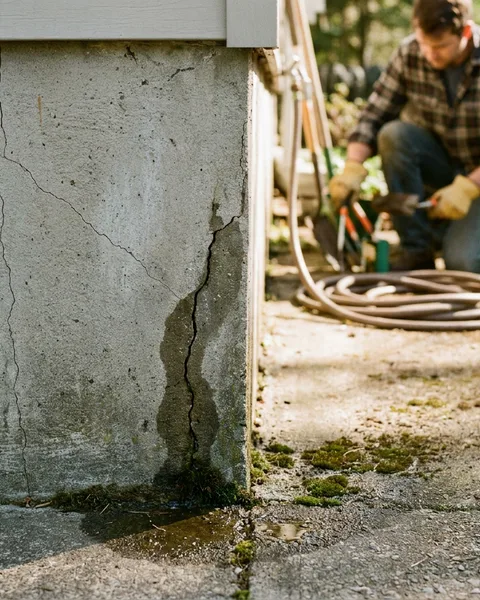
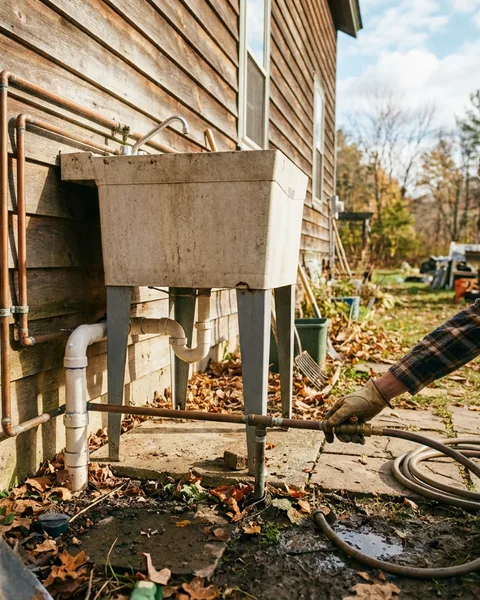
A fall sealing pass covers exterior window and door casings, the top sashes of double-hung windows, every wall penetration (electrical, gas, cable, faucets), and fresh weather-stripping on exterior doors, per a standard home-repair specification. It takes an afternoon, a caulk gun, and a tube or two per side of the house. What goes wrong is caulking over old, failed caulk instead of cutting it out first, and caulking a crack that is actually a symptom of something structural moving, which just hides the real problem until spring.

4

4The first hour

Walk the house once with a scraper before the caulk gun comes out, cutting away anything cracked, peeling or chalky. A clean, dry gap takes new caulk far better than one with old sealant still stuck to half of it, and that first hour of scraping is the difference between a fix that lasts one winter and one that lasts five.

Explore this area
HomeHouseGardenFarm