
SiLOSSiLOS

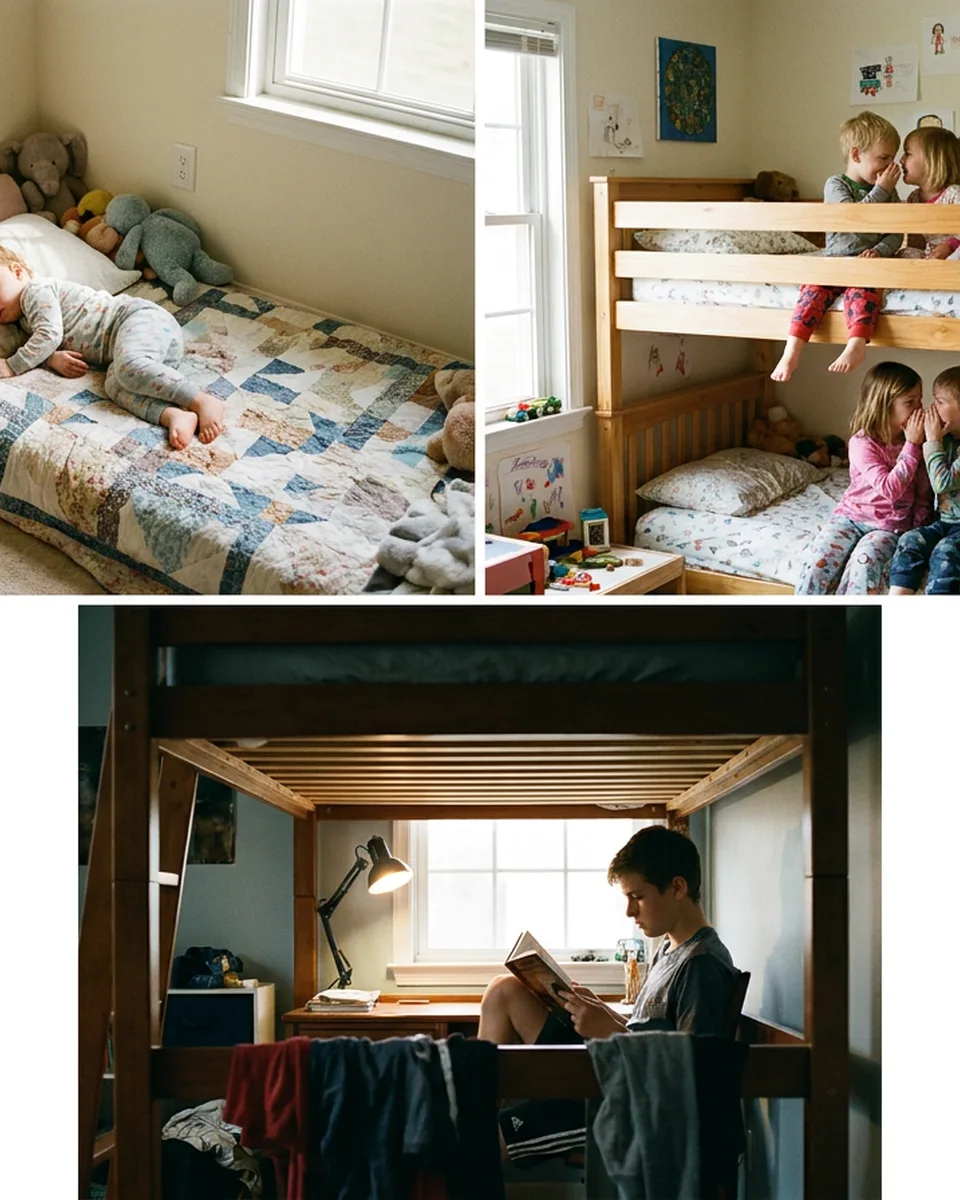
Floor bed, bunk, or loft: by age

About this photo
1

1Sleep is doing more work than it looks like

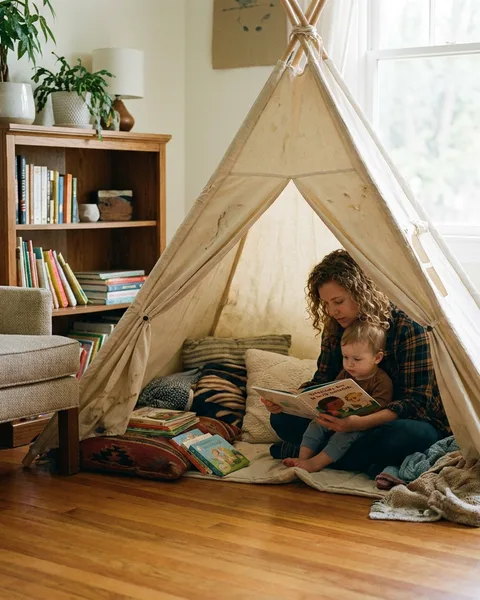
Sleep allows the body and brain time to recalibrate and store information from the day, consolidate memories, regulate digestion and growth, and fight off potential infections. A tantrum that looks like an emotional-regulation problem is very often a sleep problem wearing a different costume.

2

2It's a health behavior, not a parenting failure

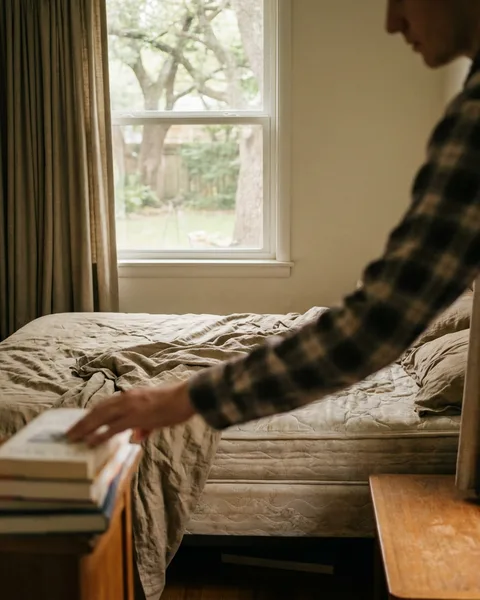
Researchers studying pediatric sleep specifically push back on blaming parents for a child's sleep problems, since health disparities in sleep are often driven by bigger systemic issues like access to healthcare and childcare, not bedtime discipline. The practical takeaway for a bedroom: build an environment that makes good sleep the easy default, rather than relying on willpower every night.

3

3The floor-bed idea is about independence, not just safety

A low bed or mattress on the floor removes the fall height that makes a crib-to-bed transition feel risky, and it lets a toddler get in and out on their own terms, which is the same self-directed-independence idea that shows up across early childhood development research generally.

4

4There's an actual federal size-and-age spec for a toddler bed

A toddler bed is defined by a mandatory CPSC standard (16 C.F.R. Part 1217, incorporating ASTM F1821) as sized to fit a full-size crib mattress at least 51⅝ by 27¼ inches, built for a child not younger than 15 months and not heavier than 50 pounds, with specific rules on guardrails, corner posts and mattress-support gaps to prevent entrapment. The rule is active enough that CPSC opened a fresh comment period on a revision to it in March 2026.

5

5The "by age" hours have an actual number too

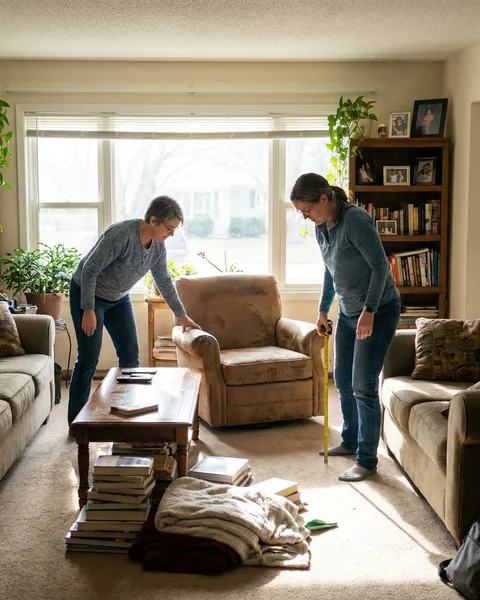
NIH guidance relayed through extension family-and-consumer-science programs puts preschool-age sleep at 10 to 13 hours a day including naps, though each kid's own needs vary enough that no single number fits every child exactly.

Explore this area
HomeHouseGardenFarm