

SiLOSSiLOS

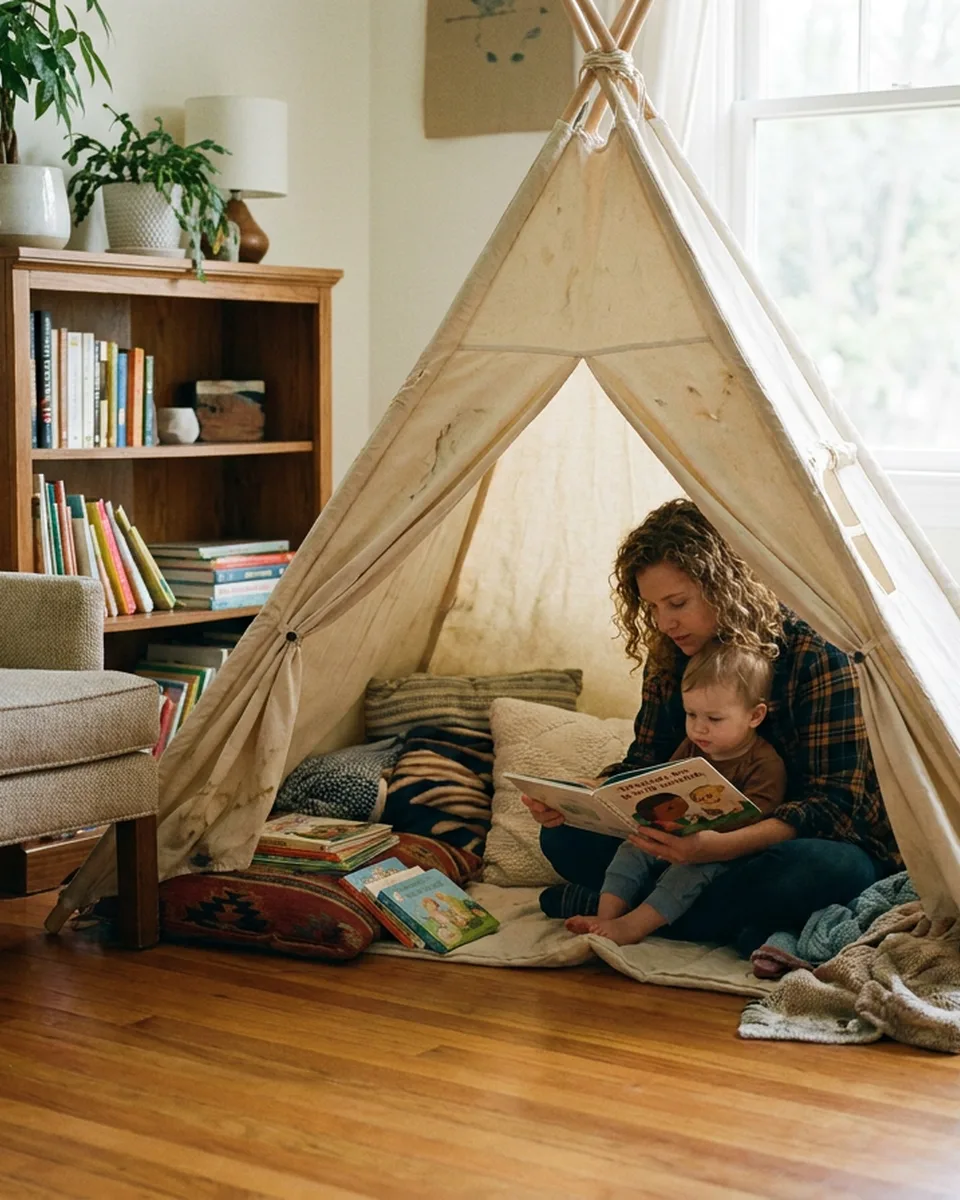
A reading corner with a play tent

About this photo
1

1Reading aloud is doing real developmental work

Reading aloud to children supports language development and strengthens relationships, and it's described as laying the foundation for lifelong learning, not just a pleasant bedtime habit. The relationship side matters as much as the words: it's a shared activity, not a solo lesson.

2

2Early and often is the whole strategy

There's a considerable body of research showing young children's language development is a critical factor in reading and later academic success, and the simplest, most repeated recommendation is also the least complicated: read to children early and often, and let them fall in love with books before anything else about it matters.

3

3Frequency has an actual, measured effect

One study tracking reading frequency found that reading to a 4-to-5-year-old 3 to 5 days a week, compared with 2 or fewer, had the same effect on their reading skills as the child being six months older; reading 6 to 7 days a week had the same effect as being almost a year older. The effect held regardless of family background, which points at the habit itself, not the household around it.

4

4The room matters too, not just the book

Early-literacy checklists used by extension educators specifically flag easy access to books, good light to read by, and a soft, comfortable place to sit as part of a literacy-rich environment, right alongside having books in the house at all. A tent with a flashlight checks more of those boxes than a shelf across the room does.

5

5A tent is the invitation, not the substance

None of the research cares whether the reading happens in a tent, but a blanket draped over two chairs with a flashlight inside changes a reading corner from a piece of furniture into somewhere a kid asks to go, which solves the actual problem: getting them there in the first place.

Explore this area
HomeHouseGardenFarm