SiLOSSiLOS

Pressure washing without wrecking your siding

About this photo
1

1The short version

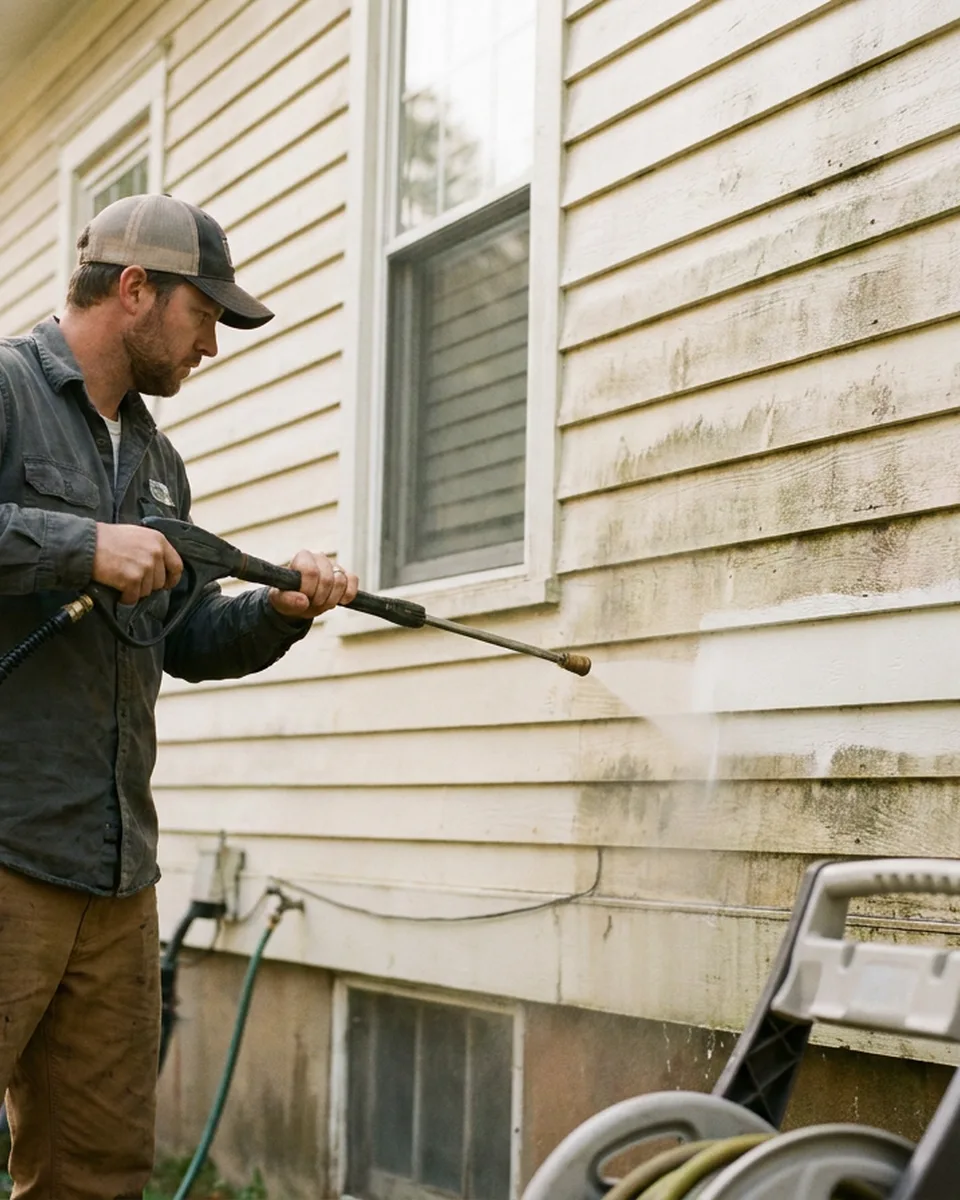
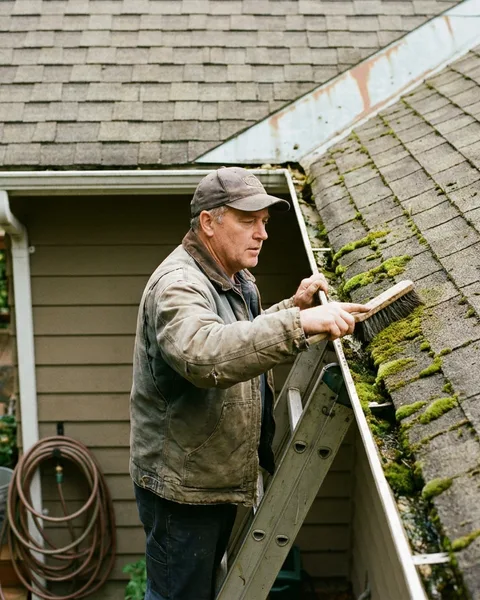
The first time you pull the trigger on a rented pressure washer, you understand immediately why people get carried away with it. The machines run anywhere from 750 to over 30,000 psi, depending on the model, to blast off loose paint, mold, grime and dirt. Soft washing does the opposite job at low pressure, using a mild cleaning solution to kill mildew and algae without the water pressure doing the scrubbing. Siding almost always wants the second one; a roof, per the roofing manufacturers' own guidance, wants soft washing exclusively.

2

2What goes wrong

Too much pressure drives water past the siding's seams and behind the weather-resistive barrier, exactly the leak path the whole wall assembly is built to prevent. Chemical soft-wash solutions carry their own risk: sodium hypochlorite can react with organic pigments in certain paint colors, especially reds, blues, greens and oranges, staining the paint in a way that can only be fixed by repainting. Test an inconspicuous spot first, every time, with either method.

3

3The two ways people actually do it

Renters and first-timers borrow or rent a consumer pressure washer and go low-and-wide on vinyl or fiber cement, standing back further than feels necessary. People who have already ruined one paint job or one screen call a soft-washing service instead, since the equipment for a controlled chemical rinse is not the same as a rental-yard pressure washer.

4

4The first hour

Close every window, cover outlets and light fixtures, and test the spray on a hidden corner before starting on the visible wall. Work top to bottom in overlapping passes, angled slightly downward so water sheds off the siding instead of up under it. The last ten minutes are always the same: standing back, wet driveway, house looking ten years younger.

Explore this area
HomeHouseGardenFarm